
Veneto: Tip for a summer holiday: 6 popular resorts near Venice

The Veneto coastline is among the most diverse in the northern Adriatic. Over a relatively short distance, lively resorts with long promenades alternate with quiet pine-fringed coves, long natural beaches, lagoon hideaways and places that preserve traces of ancient fishing traditions or literary history.
Each resort has its own atmosphere, rhythm and character. Some delight families seeking peaceful days by the sea; others offer more entertainment, attractions, sports, nature, or a rich, bustling nightlife. The Veneto coast thus creates a colourful mosaic of destinations where every visitor can find their own way to spend an ideal holiday. Here are six tips for popular resorts, their specifics, points of interest and recommendations.
Jesolo: The longest promenade and a hub of summer experiences

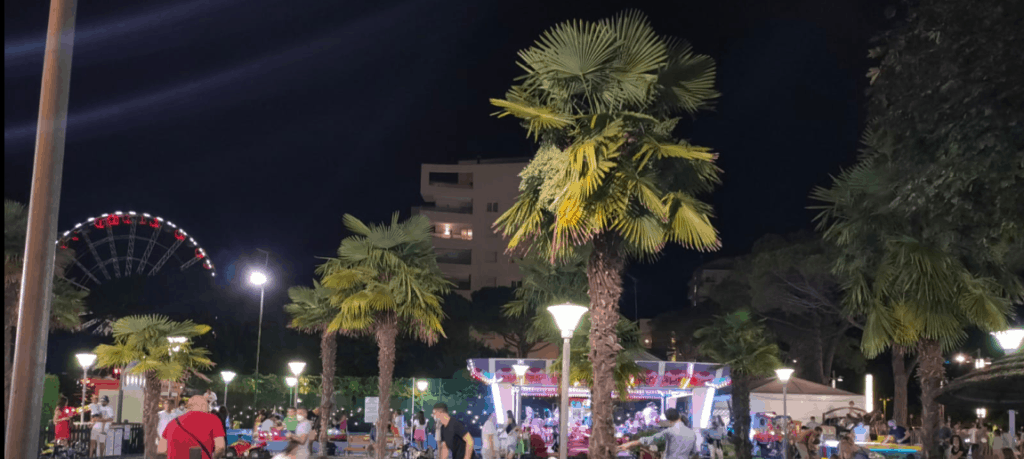
Jesolo is one of the most popular and most visited resorts in the Venice area. Wide sandy beaches, an exceptionally long promenade, a dense network of hotels, apartments, cafés, shops and attractions create an environment that feels like a seaside metropolis. The resort is alive throughout the summer season from morning until night. It tends to be quieter around midday, when some smaller businesses close for lunch.
Local attractions include the themed pirate ship Jolly Roger, often referred to as “Pirates of the Caribbean”, which offers sightseeing and entertainment cruises for children and adults. Jesolo is suitable for families with children seeking well-equipped beaches and a wide range of services, as well as for groups of young people seeking lively nightlife, clubs, discos, concerts and summer events. Couples who want to combine days on the beach with evening walks along the promenade and restaurant dinners will also enjoy it here.

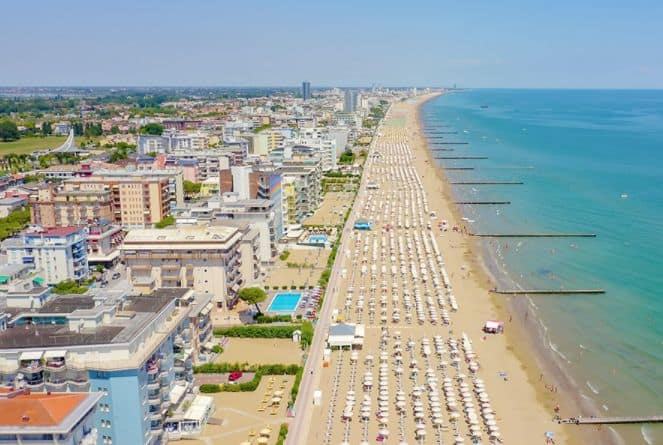

Jesolo is also home to Caribe Bay, a themed water park inspired by tropical scenery. It features lagoon pools, white-sand areas, and attractions for children and adults. It is an alternative to the beach and a pleasant part of the local holiday atmosphere.
Interesting fact: Cortellazzo, a fishing district on the edge of Jesolo
On the eastern edge of Jesolo lies Cortellazzo, a small fishing village at the mouth of the Piave River. Opposite, across the river, stretches the area of Laguna del Mort, which naturally separates the town from Eraclea Mare. The views across the water towards the lagoon give the place a pleasant, calmer character.


Cortellazzo has preserved its original fishing atmosphere: a small harbour with boats, narrow streets and several restaurants focused on fresh fish and seafood. Evenings are quieter here. Walking along the river and views towards the lagoon are also popular.
Suitable for: visitors seeking a wide range of entertainment, shopping, dining, and an active stay by the sea.


Connections: bus lines from Mestre and Venice; easy access by car.
Airport: Venice Marco Polo (VCE) – direct buses; alternatively, Treviso (TSF).
Location: mainland coast north of the Venetian Lagoon, at the mouth of the Piave River.
Cavallino-Treporti: Natural coastline, dunes and almost 30 campsites

Cavallino-Treporti forms fifteen kilometres of natural coastline between the Piave Vecchia lighthouse in the north and the metal Pagoda lighthouse in Punta Sabbioni in the south. The coast is lined with dunes, vast stretches of fine sand, pine forests, and lagoon areas on the peninsula’s inner side. This entire stretch has a distinctly natural character and feels calmer than the larger coastal towns.
The coast is dotted with dozens of large and small holiday complexes and campsites, roughly twenty-seven in total, making Cavallino one of the largest camping destinations in Europe. Thanks to the direct boat connection from Punta Sabbioni to St. Mark’s Square, the area is ideal for visitors who want to combine peace by the sea with trips to Venice without dealing with parking or city transport.


Cavallino-Treporti is suitable for families with children who will appreciate wide, clearly laid-out beaches with a gradual entry into the water, for nature and cycling lovers, thanks to routes along the lagoon and Via Pordelio, and for travellers who want to spend their holiday in a campsite in the immediate vicinity of the sea, surrounded by lush vegetation. Photographers are drawn to the morning light over the lagoon, historic coastal batteries and bunkers, and the sea-lagoon landscape.
Eraclea Mare: Pine groves and Laguna del Mort

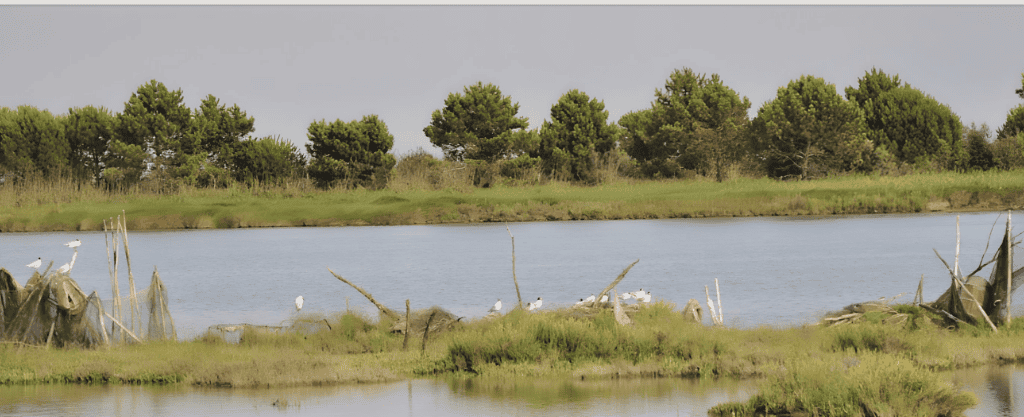
Eraclea Mare is an excellent choice for cycling enthusiasts, natural swimming, walks between fields, groves and the lagoon, or for observers and photographers of lush nature. Thanks to the extensive pine belt, Eraclea Mare feels calmer and more intimate than Jesolo, and is much smaller. The town is surrounded by greenery, the streets are narrow, and the overall impression is more recreational than urban. One of the best-known places in the area is Laguna del Mort, a nature reserve with shallow water and fine sandy strips, a highly photogenic stretch of the coast.


Thanks to the shade of the pines, the looser layout of the beach and the quiet paths in the surroundings, Eraclea Mare is one of the most suitable resorts for families who take their pets on holiday. It offers ample space for walks and opportunities to combine a stay by the sea with time in nature.
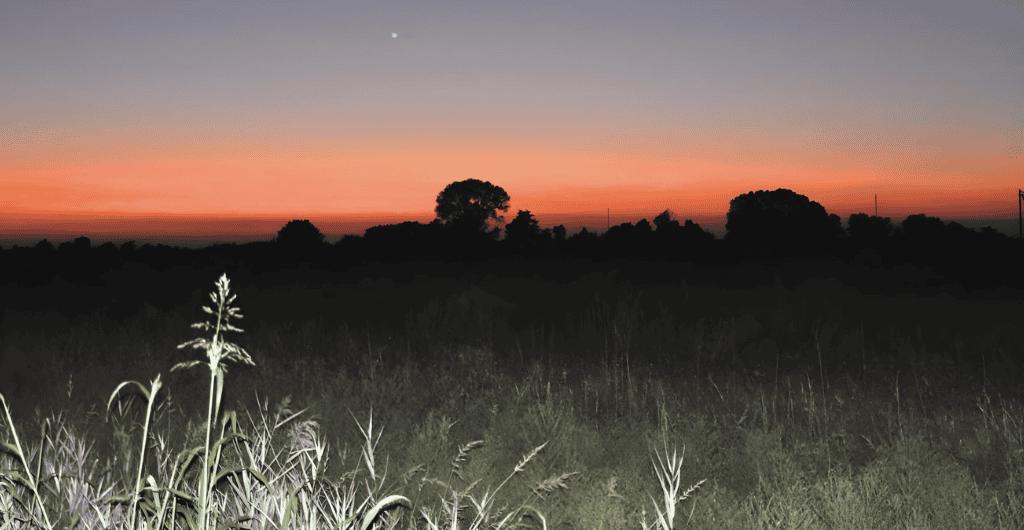
The resort is generally suitable for families seeking a quieter environment than large centres, for nature lovers, and for those who want to combine their holiday with cycling and walking. The environment in Eraclea Mare is very varied: a dense belt of woodland with paths, a pleasant beach smaller and quieter than in Jesolo or Caorle, and extensive fields connecting the town to the lagoon. There is an almost rural atmosphere in these places.
Suitable for: a quieter stay in nature, families, lovers of pine groves and walks to lagoon areas.

Connections: access by car; regional buses from Jesolo and Caorle.
Airport: Venice Marco Polo (VCE) or Treviso (TSF).
Location: between Jesolo and Caorle (Duna Verde), by the protected natural area of Laguna del Mort.
Caorle: A romantic historic town with a fishing tradition
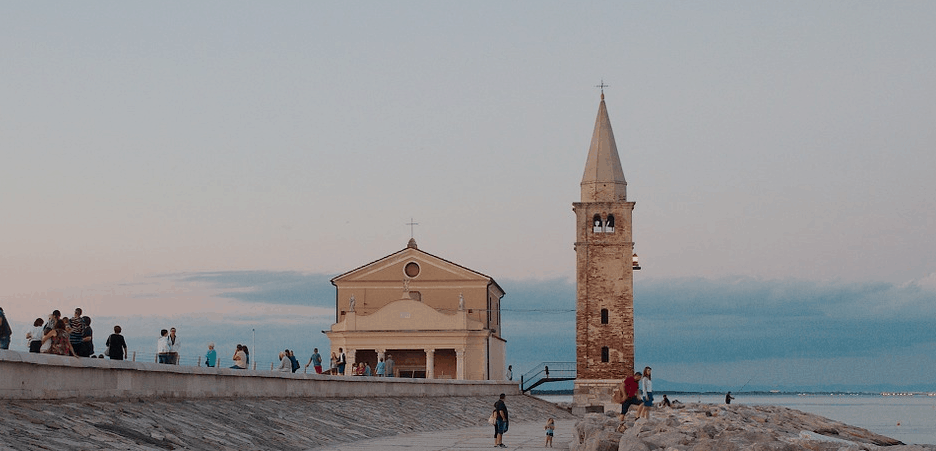
Caorle is one of the most attractive historic towns on the coast. Colourful facades in the centre, narrow streets, and a Romanesque cathedral with a characteristic cylindrical tower create a unique backdrop that stands in sharp contrast to the typical hotel developments of other resorts. The town has preserved a strong fishing tradition, and the harbour is still an essential part of everyday life.
Caorle is known for its renowned restaurants specialising in fish and seafood. The combination of the old town, the harbour and gastronomy makes Caorle an ideal destination also for visitors who want to taste the local cuisine during their seaside holiday. The coast is complemented by the Scogliera Viva promenade with rock blocks carved with artistic reliefs.
Caorle is suitable for visitors who want to combine the beach and the historic centre, for gourmets, couples in love, photographers, families with children and for all those looking for a place with a distinctly historic and romantic atmosphere.
Families will also appreciate Aquafollie Water Park, one of the region’s best-known water parks, featuring slides and attractions for children and adults. Aquafollie is located directly in Caorle, in the western part of the town.
Interesting fact: Hemingway, Baron Franchetti and the Falconera lagoon
In the hinterland of Caorle, in the area of San Gaetano, stands a country residence that belonged to Baron Raimondo Franchetti. It was here that writer Ernest Hemingway was invited in the late 1940s. During his stay, he went hunting and into the lagoon with local fisherman Giuseppe “Pila” Panizon and got to know the local landscape. The quiet canals, reeds, water surfaces and fishermen’s houses inspired him to write the novel “Across the River and into the Trees”, published in 1950.
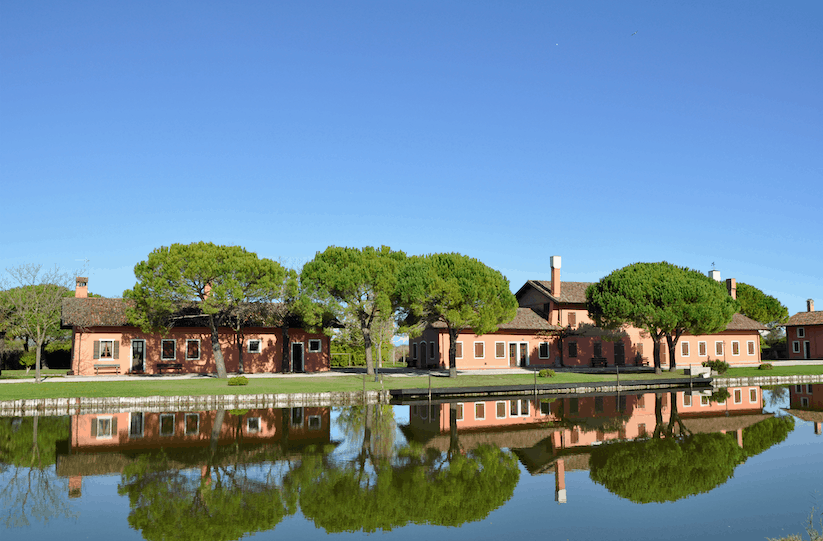
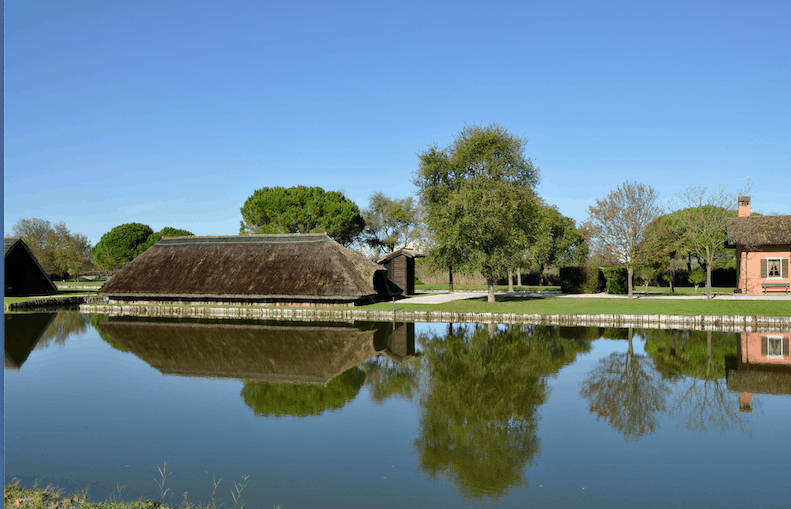
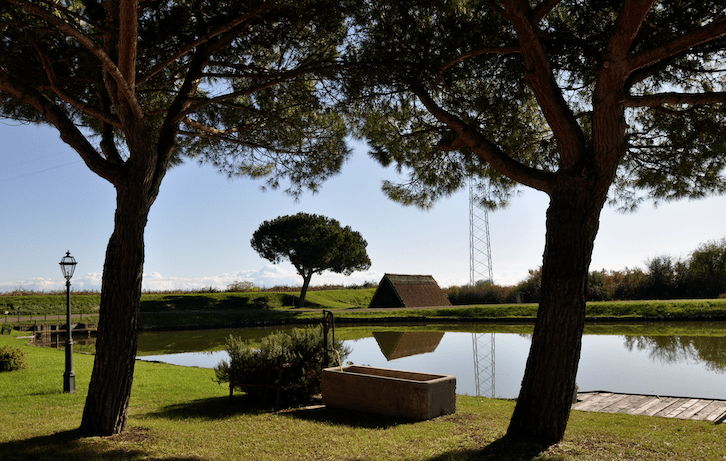
Not far from here begins the Bay of Falconera, one of the most authentic parts of the Caorle lagoon. In the surroundings, there are traditional wooden fishermen’s houses called casoni, lagoon canals that change significantly with the tides, and quiet shorelines that still look very similar to how they did in Hemingway’s time.
Suitable for: a combination of beach and historic town, gastronomy, evening walks and a stay by the sea.
Connections: good access by car; regional buses from Mestre, Venice and Treviso.
Airport: Venice Marco Polo (VCE) or Treviso (TSF).
Location: northern Adriatic coast, between the mouth of the Livenza River and the Caorle lagoon.
Lido di Venezia: Noble hotels and beach cabins

Lido di Venezia is an elegant island between the Venetian Lagoon and the Adriatic Sea. Unlike classic resorts, it combines the atmosphere of a historic seaside resort with the proximity of Venice. It is known as the venue of the Venice Film Festival and as a place where landmark hotels, villa districts and long promenades have been preserved to this day.
Lido has its own beaches, which are public in some sections and connected to spa, camping, and hotel facilities in others. The overall atmosphere recalls the glamorous charm of bygone times: a slower pace, noble hotels, old beach cabins, and views of both the lagoon and the sea. The resort is suitable for couples, culture and history enthusiasts, and visitors who want to combine a coastal stay with regular trips to Venice.


Interesting fact: Beach cabins on the Lido (capanni)
The beach cabins – “capanni”, wooden structures with canvas roofs, are an inseparable part of the northern edge of the Lido and first appeared at the end of the 19th century, when Lido was becoming the first major European seaside resort. They were initially used by spa guests from the Hotel des Bains (now closed) to change clothes, and later became small private bases for the entire summer. They are still rented by the week, month, or even for the whole season.
The cabins usually also include a lockable storage space, primarily used by families with children to store toys, beach equipment, and personal belongings for the duration of the holiday. For many families, it is a way to have “their own place” right by the sea during their holiday. The cabins create a distinct atmosphere on the beach: in the afternoon light, they cast long, parallel shadows and, from a distance, form a band of elegant lines that are a rewarding subject for photographers.


The Capanni also recall the time when Lido was forming as a noble spa centre. The simple structures are historically valuable and, in recent years, have become more common in local beaches’ marketing materials.
Suitable for: visitors who want to combine a stay by the sea with the atmosphere of Venice; lovers of quieter beaches and long walks, including urban-style walks.
Connections: The island is connected to the mainland only by boat transport (vaporetto) from Venice – Piazzale Roma, Santa Lucia, and San Marco.
There is a bus service on the island itself. Cars can reach the island only by ferry.
Airport: Venice Marco Polo (VCE) – take a boat directly from the airport, or take a bus to Venice and then the vaporetto.
Location: an island south of the Venetian Lagoon, between the sea and the lagoon.
Sottomarina and Chioggia: Long beaches and the magical atmosphere of an ancient town

Sottomarina is a modern beach district located right next to the historic town of Chioggia. It is known for its long, wide beach with fine sand and a distinct microclimate shaped by wind and sea currents. Compared with Venice or Jesolo, it is one of the more affordable resorts, making it a good option for travellers planning longer stays.

Chioggia itself is a historic fishing town with canals, bridges and an atmosphere that is often compared to “little Venice”, but with a significantly larger share of local life. The city also includes a vital fish market, one of the most important in the region, which recalls how important a role fishing plays in the local economy. The combination of Sottomarina and Chioggia is suitable for visitors who want to combine the beach with the authentic atmosphere of a port town, for families looking for a more affordable stay, and for lovers of fish cuisine.
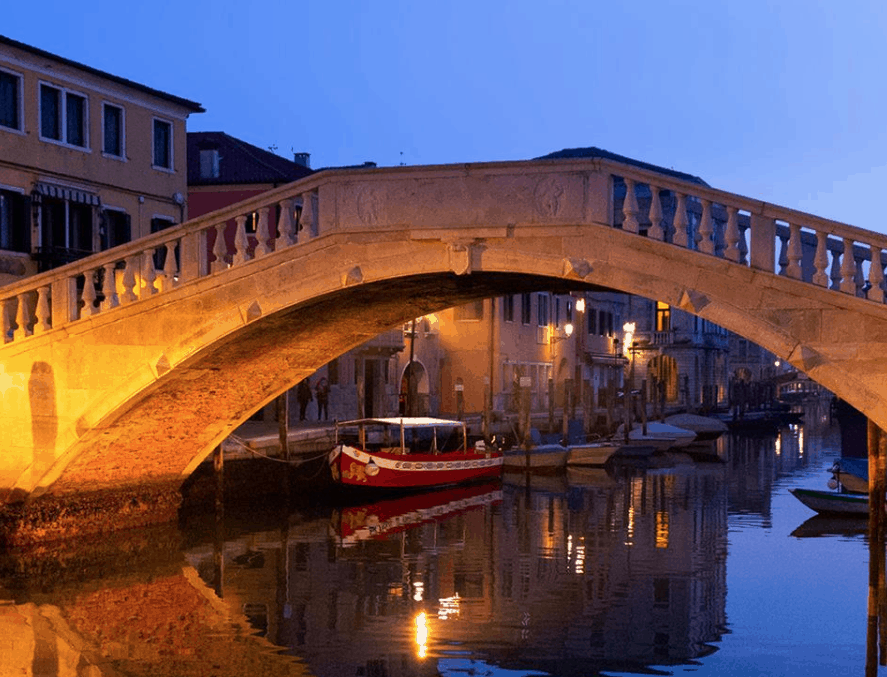
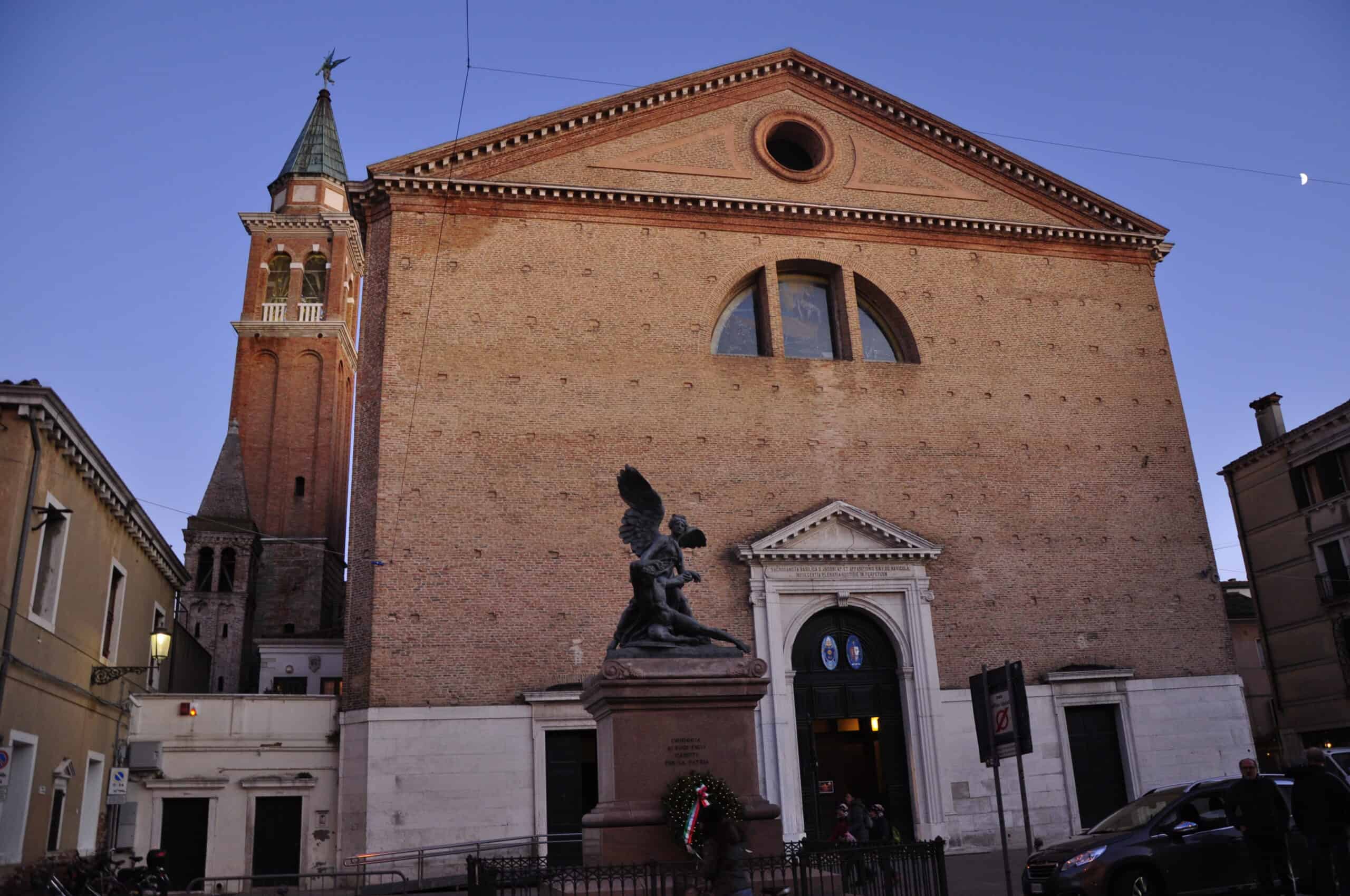
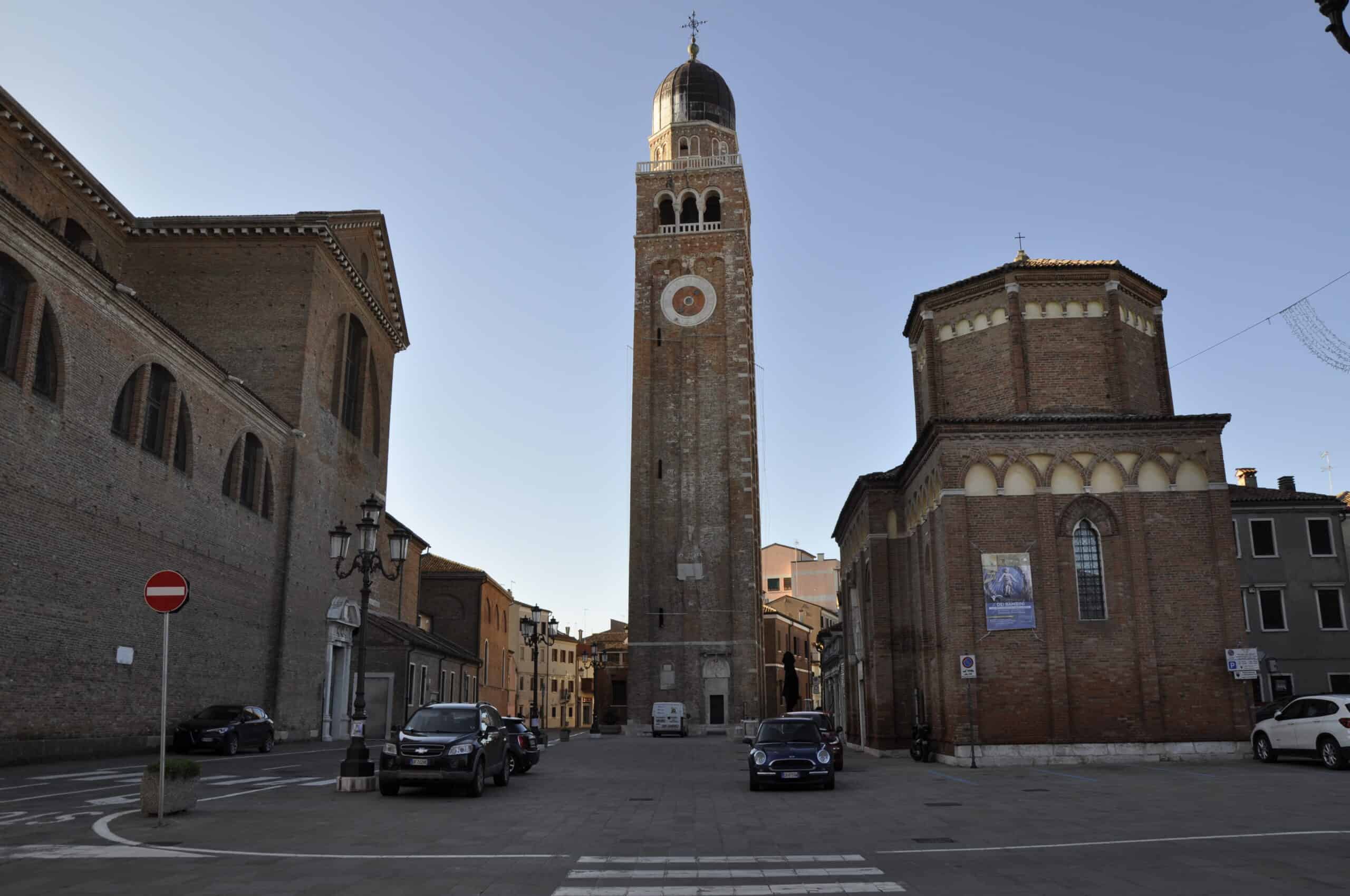
Suitable for: lovers of Venetian atmosphere, historic towns, fish cuisine and port environments; ideal for combining history and coastline. Chioggia is connected to the mainland by a long bridge.
Connections: bus from Venice, Mestre or Padua;
Airport: Venice Marco Polo (VCE).
Location: in the south of the Venetian Lagoon, near the mouth of the Brenta River.
Summary
The Veneto coast offers some of the most diverse holiday options on the northern Adriatic, from bustling Jesolo through natural Cavallino, green Eraclea Mare to picturesque Caorle, noble Lido di Venezia and traditional Chioggia. Thanks to this diversity, every visitor can choose a place that best matches their idea of a seaside holiday, whether it is a family stay, an active summer, a peaceful holiday in nature, or a combination of coastline, history, and culture.
Where to go with a car (and when you can do without it)
When choosing a resort near Venice, transportation is also essential. In some areas, having your own car is a significant advantage, while in others it can unnecessarily complicate your stay. Lido di Venezia is suitable mainly for travelers without a car, as it is directly connected to Venice by regular boat service. On the island, you can easily get around on foot, by bike, or by local bus. Transporting a car here is only possible by ferry, which is impractical. Chioggia and Sottomarina feel more separate, and without a car, getting around is more limited – the surroundings are further away, and trips require longer journeys by public transport.
Jesolo, on the other hand, is very accessible by car, provided the accommodation has parking. However, you should expect very heavy traffic in peak season, especially during the changeover of weekly stays, when long queues form both in the town and on the access roads.
For travelers planning frequent trips outside the resort itself, it is good to know that areas such as Duna Verde, Eraclea Mare, Cavallino-Treporti, Chioggia, Sottomarina and Lido di Venezia are generally more difficult to reach without a car, because there is not such a dense network of connections as, for example, in Jesolo or Caorle; the exception are the lagoon islands, which are served by regular boat transport.
The choice of resort should therefore depend not only on the beach and atmosphere, but also on whether the holiday is to be relatively peaceful and focused on one place, or active with frequent trips to the surroundings.
Practical tips for travel and booking
When booking accommodation, it is helpful to check whether the quoted price includes local tourist taxes, which are added in some municipalities. Most local beaches operate partly on a pay-for-sun loungers-and-umbrellas basis, which is not always included in the price of accommodation. These costs, for a family with several members, can add up to a significant amount over the course of the stay. Check whether it is more cost-effective to book accommodation through a platform or directly on the hotel or other accommodation facility’s website.
When travelling by car, note that during the season, traffic around Venice is heavy, especially in the afternoon and on weekends. Parking near coastal promenades may be limited and subject to charges, so it is advisable to check parking zones and rates in advance.
Seasonality: when to go and what the atmosphere is like
The primary tourist season — roughly from mid-June to the end of August — is the period of the warmest weather, the highest prices and the broadest range of services and attractions. The beaches are lively, with families and groups of young people.
The shoulder season — especially June and September — offers still-warm weather for swimming, fewer crowds, and more pleasant conditions for cycling or hiking. During these periods, accommodation prices are also generally lower.
The complete off-season, i.e. spring and autumn outside the tourist season, can be suitable for those who want a quieter stay, lower prices and pleasant temperatures without the intense summer hustle and bustle, but some services and businesses may be limited or closed outside the season.
Language skills in seaside resorts
In the seaside resorts around Venice, you can usually communicate in English and German, especially in hotels, restaurants, beach services and tourist information centres. These languages are the most common here, and staff are long accustomed to foreign visitors.