
Walking along the sea: from Punta Sabbioni to the Falconera Lagoon
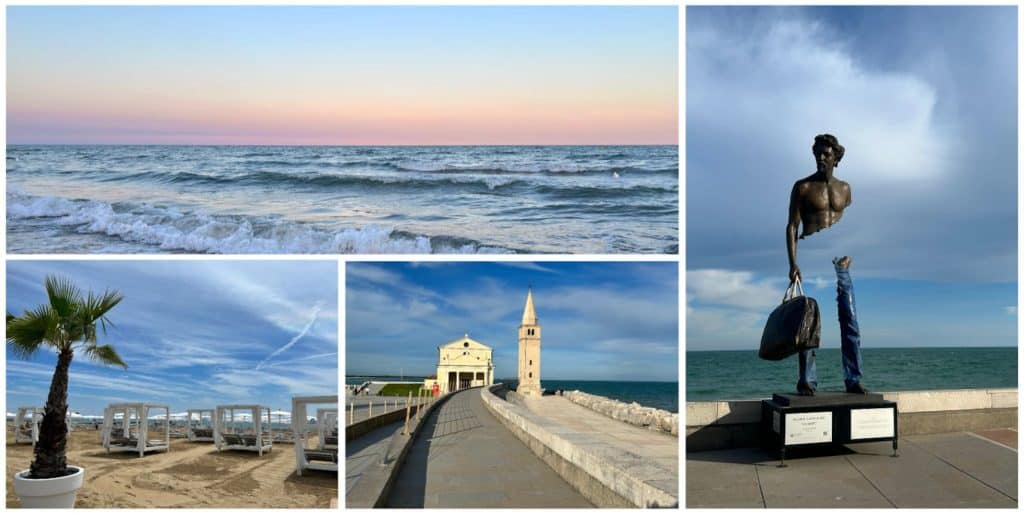
Walking along the sea: Between Punta Sabbioni and the Falconera Lagoon
The Venetian coastline between the port of Punta Sabbioni and the Falconera Lagoon offers dozens of kilometres of beaches, promenades, nature reserves, pine forests, and historic towns. At first glance, it looks like a continuous strip of sand stretching along the northern Adriatic. With closer exploration, however, it reveals a surprisingly diverse landscape in which ports, seaside resorts, natural areas, lagoons, and traditional fishing communities alternate.
Although the coastline on the map appears as an unbroken belt of beaches, in reality it is divided by lagoons, rivers, canals, and natural areas, which create several distinct sections. Some parts can be comfortably walked directly along the sea, while others connect to coastal roads, promenades, or trails leading inland. That is why we divided the entire route into sections based on the terrain’s actual passability.
Each part of the coast has its own character and offers a different experience. In some places the route is accompanied by the bustle of seaside promenades and beach bars; elsewhere dunes, pine forests, and a quiet natural landscape prevail. This diversity is among the greatest strengths of each section.
Walking trips along the sea make it possible to get to know the coast from a different perspective. During a holiday you can walk through several completely different landscapes, watch the coastline change, discover lesser-known places, and enjoy views that remain hidden from many visitors. In the individual sections, you will find campsites, luxury hotels, and natural spots without a single umbrella, bar, or hotel.
From the port of Punta Sabbioni to the lighthouse Faro di Piave Vecchia


The coast at Punta Sabbioni has a harbour atmosphere, which within a few kilometres gives way to wide beaches, dunes, and the lush nature of the Cavallino-Treporti area. The coastline here offers a pleasant blend of sea, greenery, and uncrowded beaches. The area is also known for its extensive campsites, cycling paths, and proximity to the Venetian Lagoon, which gives the landscape its distinctive character.
From Jesolo to the fishing village of Cortellazzo

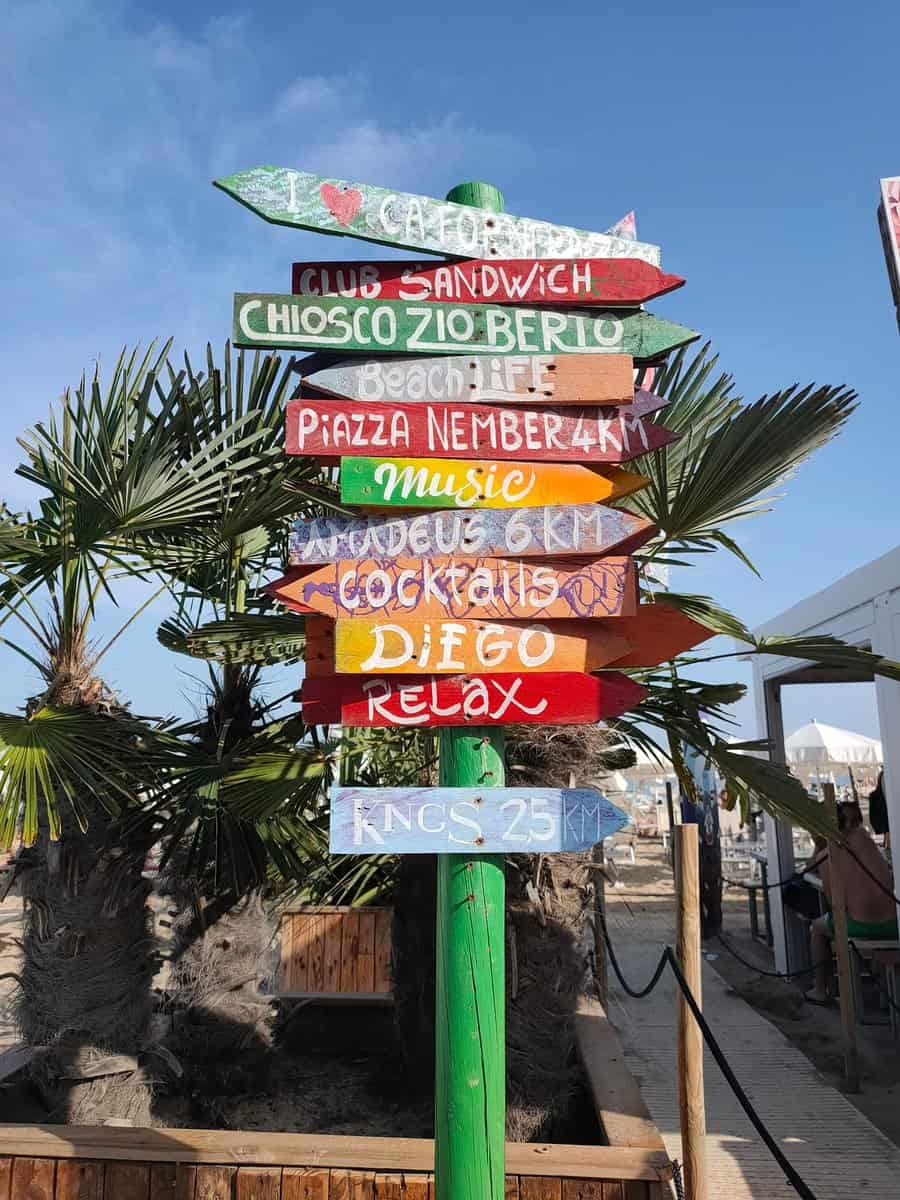

Jesolo is the liveliest part of the entire coastline. The beaches are lined with thousands of umbrellas, beach bars, and restaurants, and a long promenade that becomes a continuous walkway leading all the way to the Pineta area. The resort offers comprehensive tourist facilities, a wide range of services, and accommodation options ranging from budget-friendly hotels to luxury resorts right by the sea.
Jesolo is among the best-known seaside resorts in Italy, and during the summer season it buzzes with life from early morning until late evening. Along the coast there are restaurants, cafés, shops, sports facilities, and places intended for relaxation. Thanks to the long promenade and easy orientation, this part of the coast is among the most popular routes for leisurely walks.
In the Jesolo Pineta area, the coast takes on an increasingly calmer character. Toward Cortellazzo, beaches, pine groves, campsites, and recreational areas set in greenery alternate. Family campsites here naturally complement smaller hotels and apartment complexes. The pines provide pleasant shade and create an environment typical of this part of the coast.
From Eraclea Mare to the Laguna del Mort

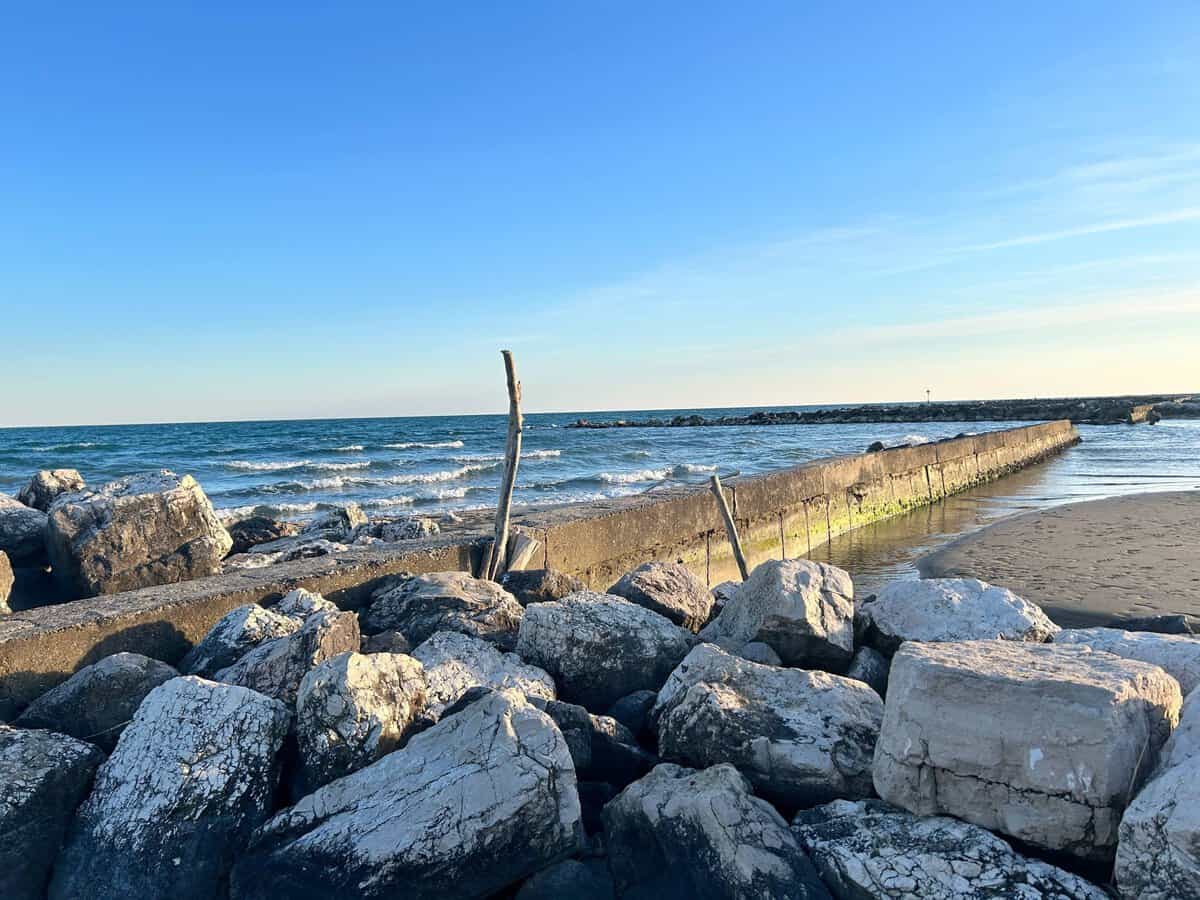
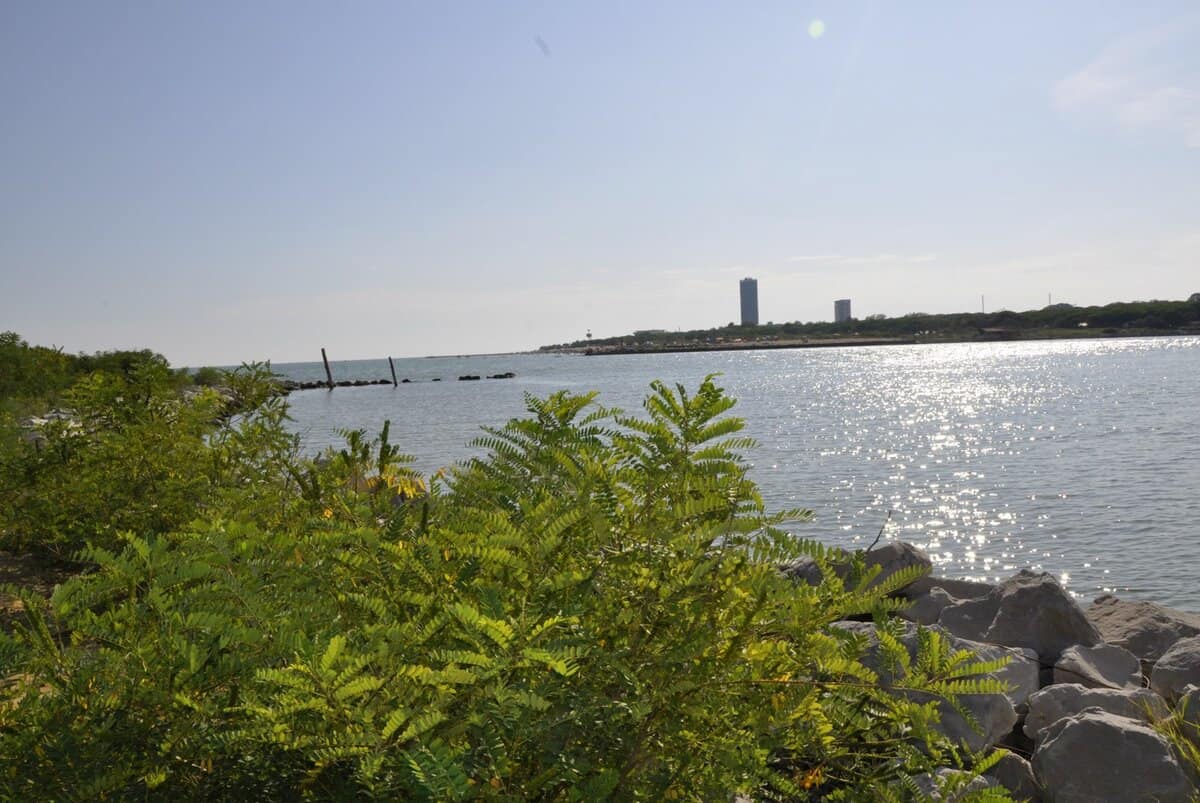
This route is best described in reverse: Laguna del Mort can only be reached from Eraclea Mare, and the return journey follows the same path. Laguna del Mort is one of the most remarkable natural areas along the Venetian coast. This protected reserve is among the best-preserved sections of the coastline and is characterised by dunes, lagoons, sandy beaches, and coastal vegetation.
The landscape has preserved its natural character to this day and offers a unique setting for nature watching, photography, and peaceful walks. The system of dunes, lagoons, sandy beaches, and coastal vegetation creates one of the most interesting natural sites on the Venetian coast. Unlike at most surrounding resorts, visitors will not find promenades, restaurants, hotels, or other tourist infrastructure here. Thanks to this, Laguna del Mort retains a calm atmosphere and a sense of closeness to nature.
In the immediate vicinity of the reserve, a new tourist complex is being built that, upon completion in 2027, will be one of the largest recreational complexes in Europe.
From Eraclea Mare – Duna Verde – Porto Margherita
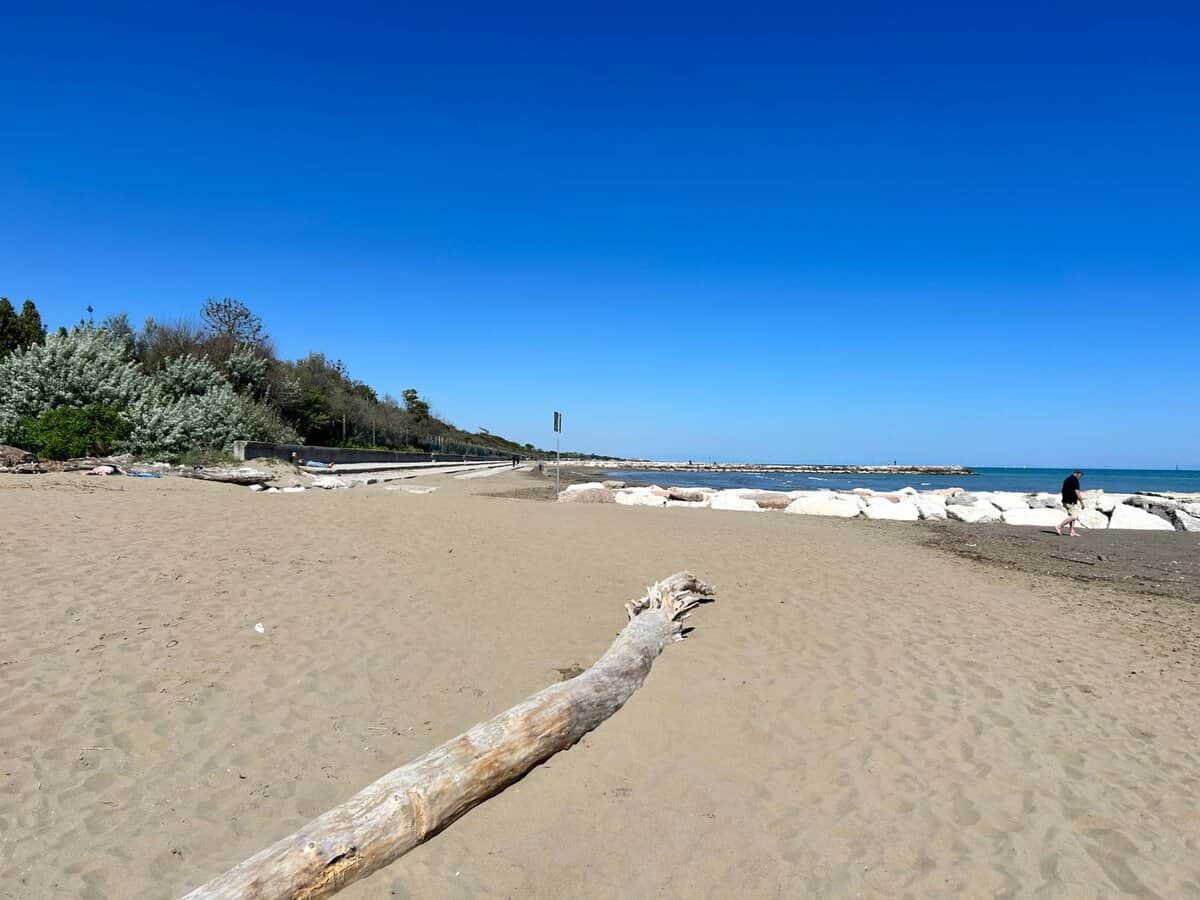
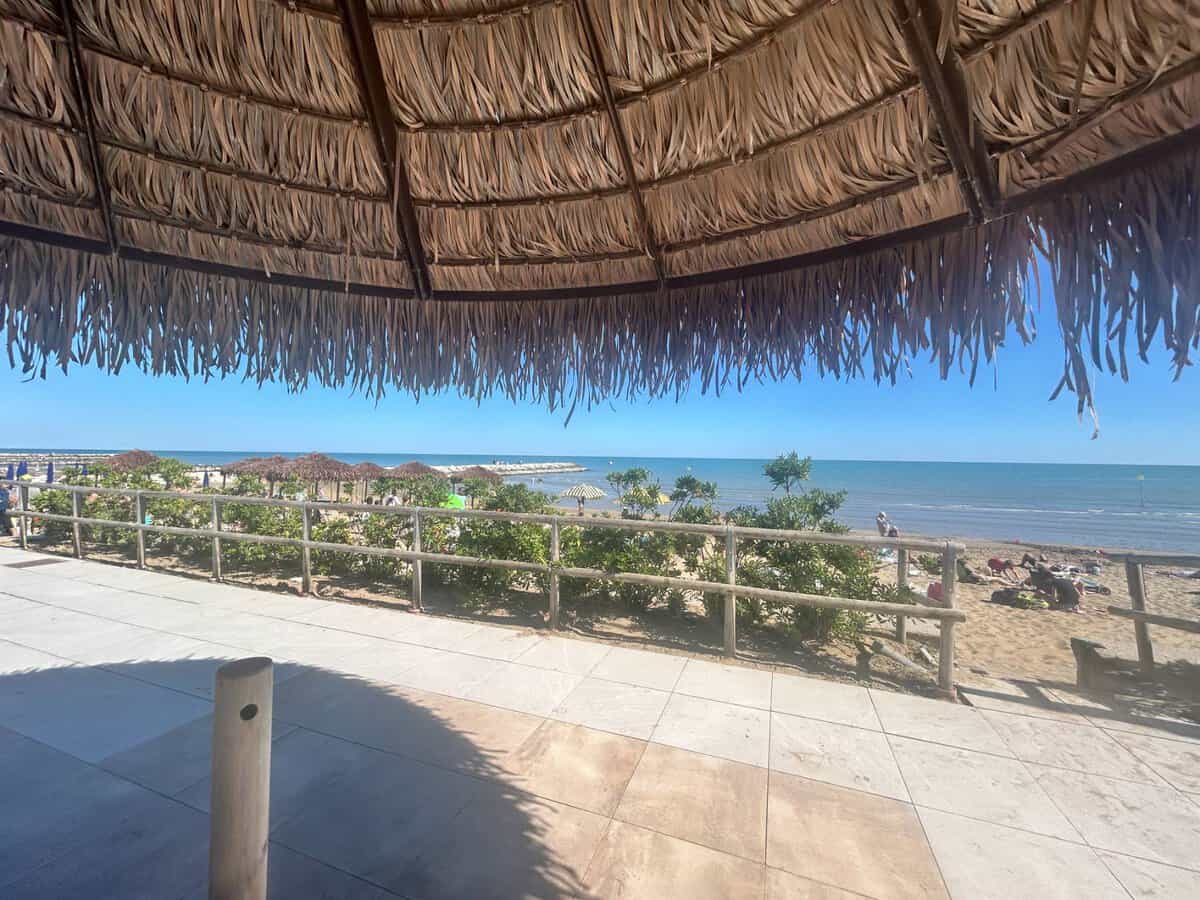
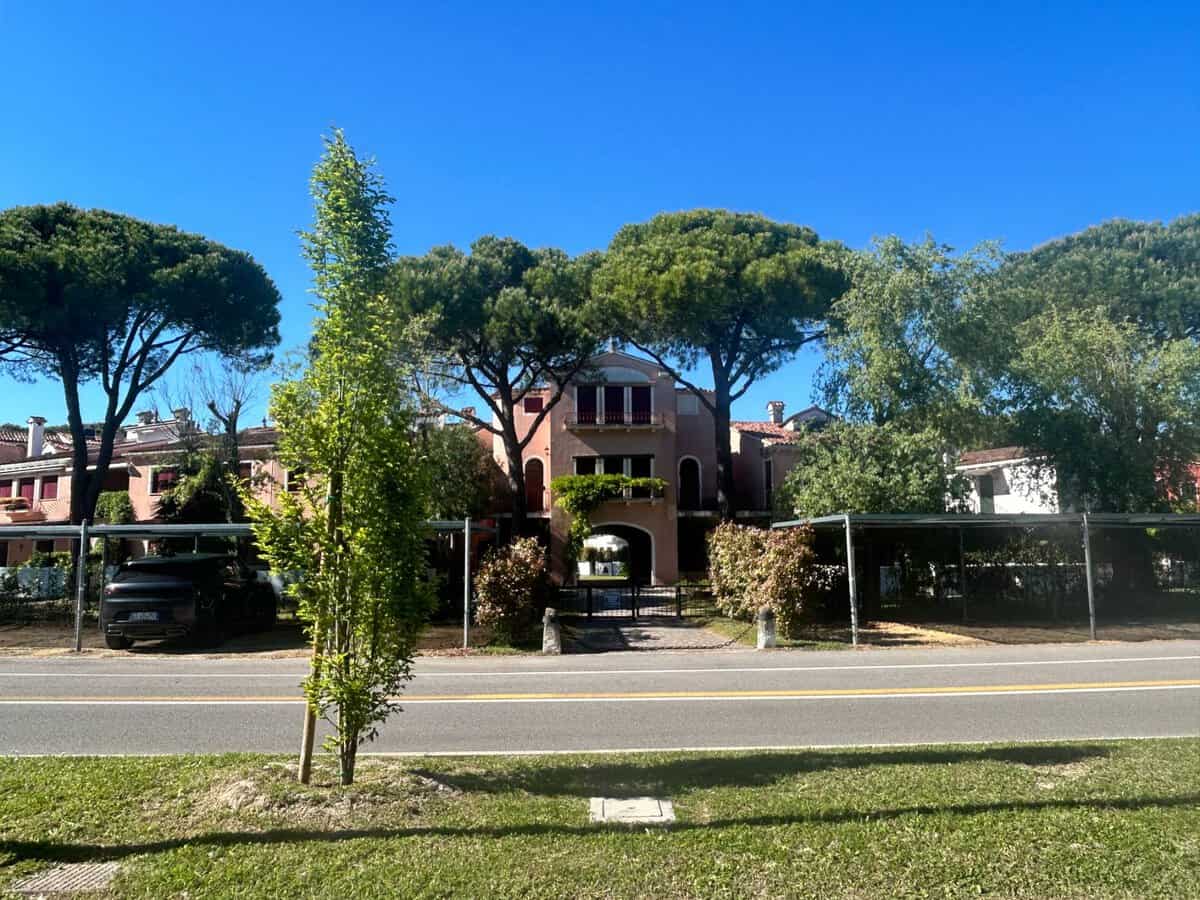
Eraclea Mare and Duna Verde are among the most popular seaside resorts along this stretch of coastline. Surrounded by extensive pine forests, their beaches offer a pleasant combination of sea, nature and relaxation. A peaceful atmosphere, abundant greenery and wide sandy beaches are among the reasons why visitors return here year after year.
From Eraclea Mare, the coastal route follows the beaches through Duna Verde and Lido Altanea to Porto Santa Margherita. Compared to the busier areas of Jesolo, this part of the coast has a more relaxed character. The shoreline is lined with holiday resorts, apartment complexes, pine groves and long stretches of beach, alternating between well-developed tourist areas and quieter sections.
The route ends in Porto Santa Margherita, home to a large marina located at the mouth of the River Livenza. The marina is one of the region’s most important yachting centres and serves as the natural gateway to the next coastal section leading towards Caorle.
From the port of Santa Margherita to Caorle
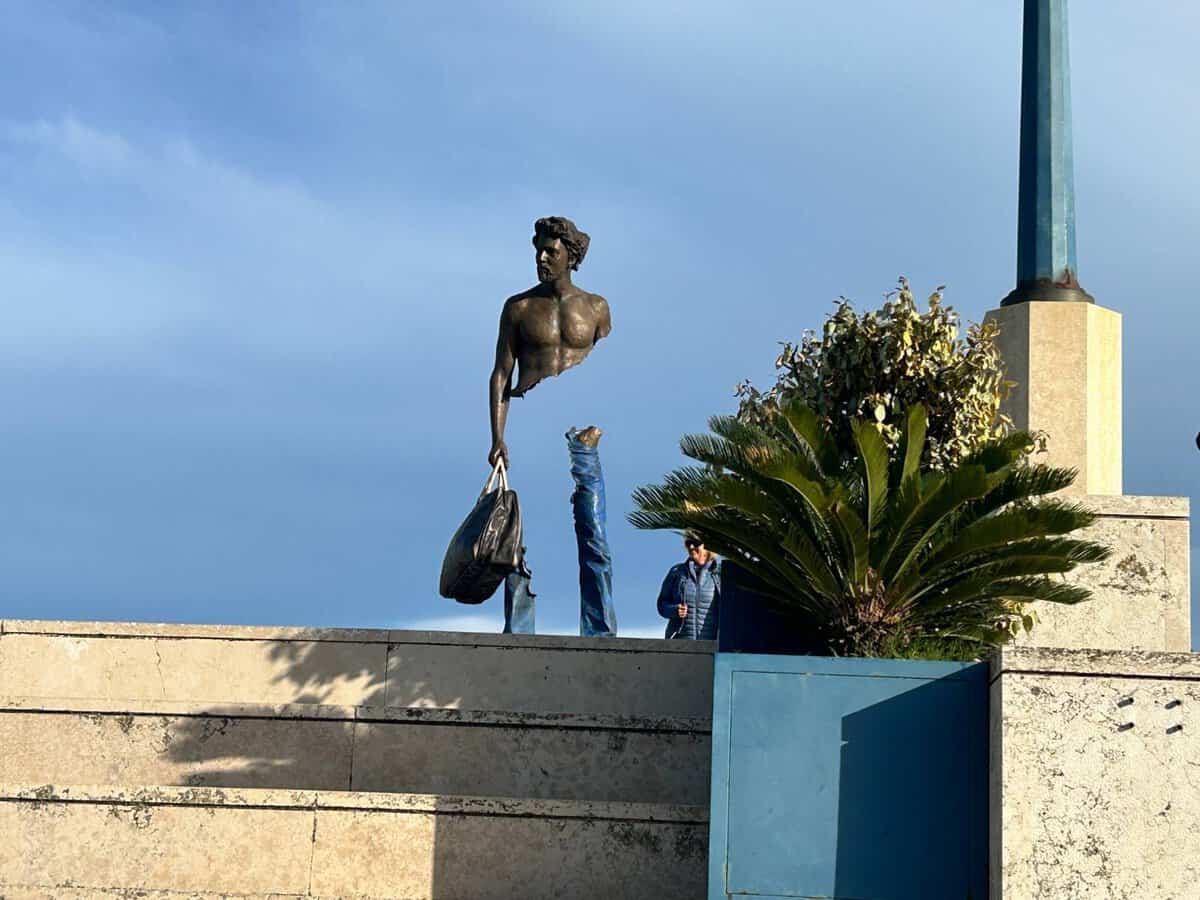
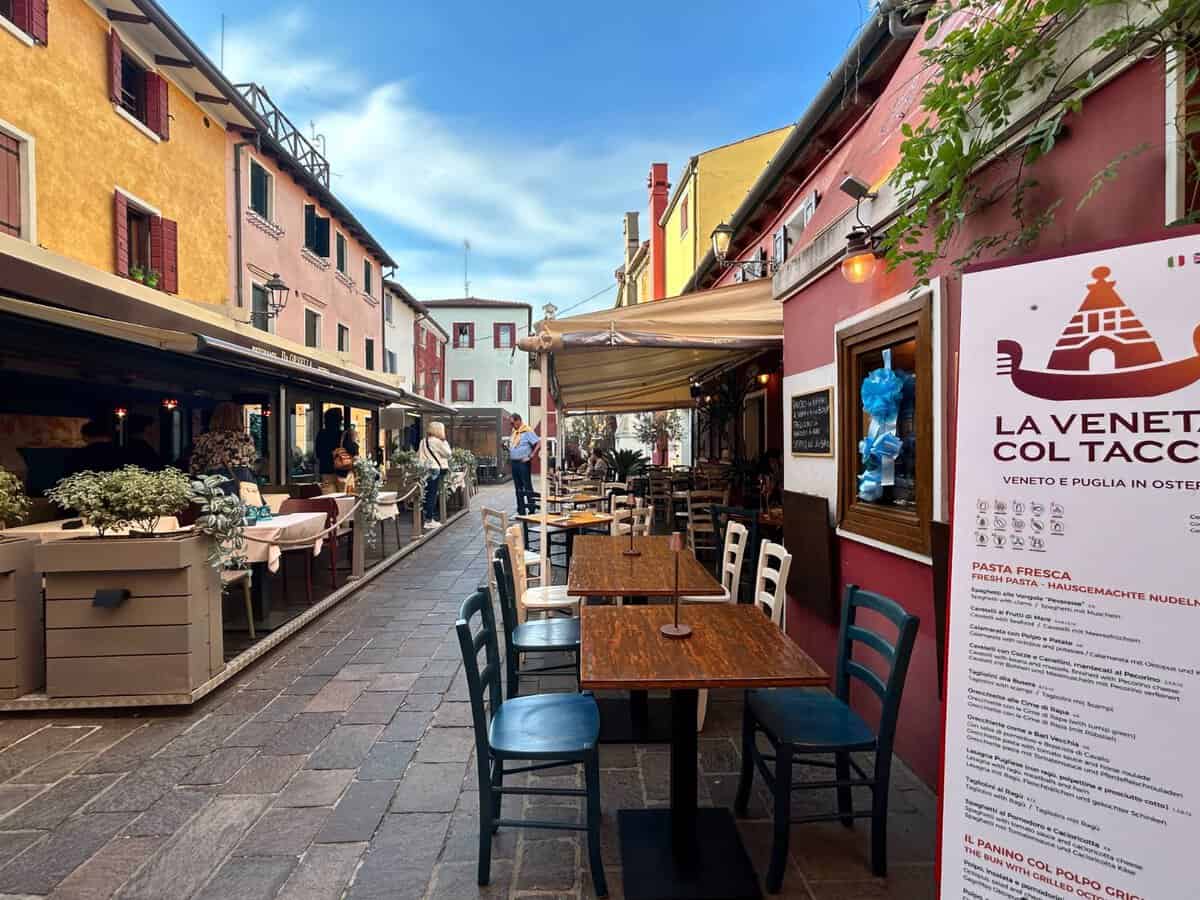
The coastal route ends in Porto Santa Margherita near the mouth of the River Livenza and the extensive marina. From here, continue via a bridge or local roads towards the historic centre of Caorle. Although it is no longer possible to continue directly along the beach, the route offers interesting views of the marina, moored yachts and boat traffic between the river and the sea.
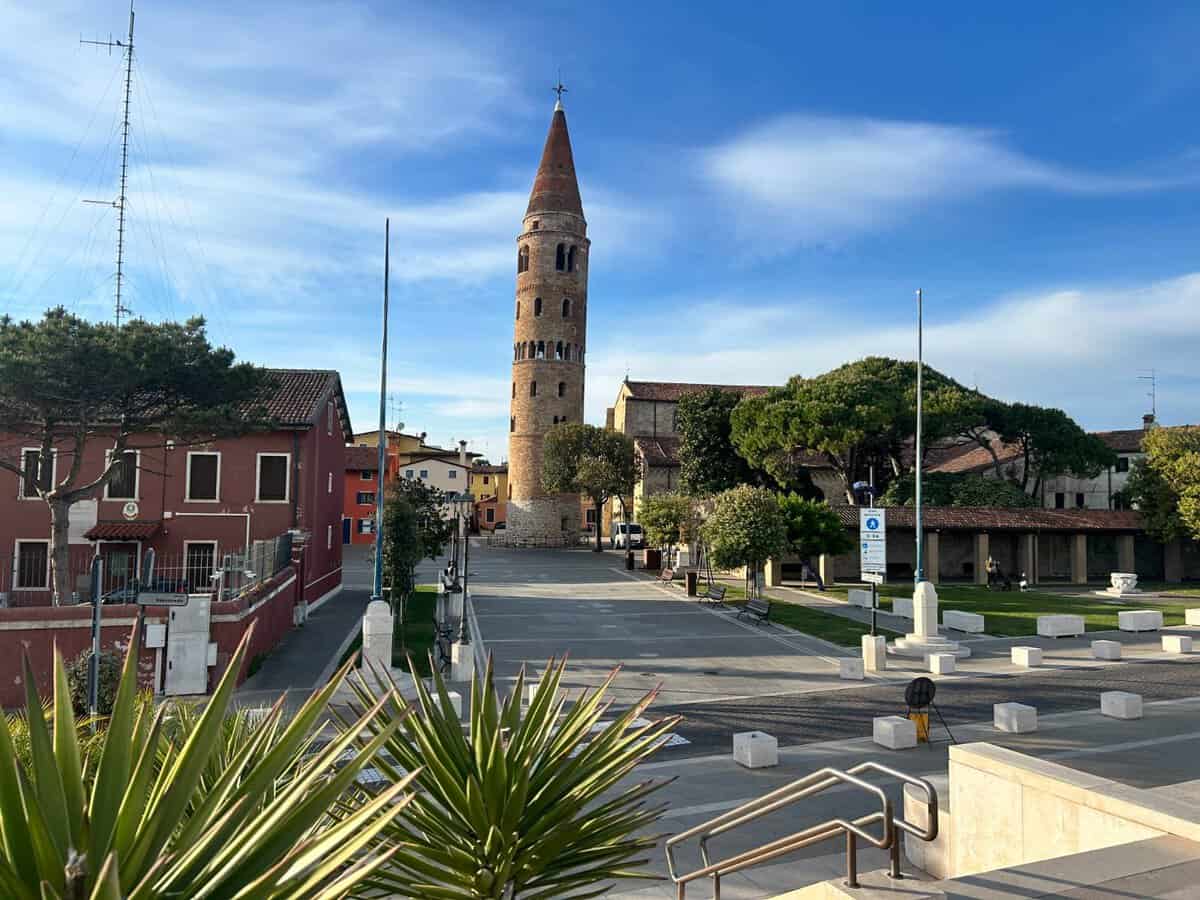
After passing through the marina area, visitors arrive in Caorle, one of the most picturesque towns on the Veneto coast. The historic centre is known for its colourful houses, narrow streets and the pleasant atmosphere of a former fishing town. The most recognisable landmark is the Church of Madonna dell’Angelo, located directly by the sea at the edge of the old town.
Caorle has preserved the charm of a traditional seaside town. Along the coast, visitors will find promenades, restaurants, cafés and long sandy beaches. The combination of history, fishing traditions and seaside atmosphere makes Caorle one of the most attractive destinations on this part of the Adriatic coast.
Although it is possible to continue along the coast from Caorle to the Falconera Lagoon, we have divided the route into two sections in order to present both the historic town centre and the coastal route to the lagoon separately.
Loop: Madonna dell’Angelo – Falconera Lagoon – Caorle Marina
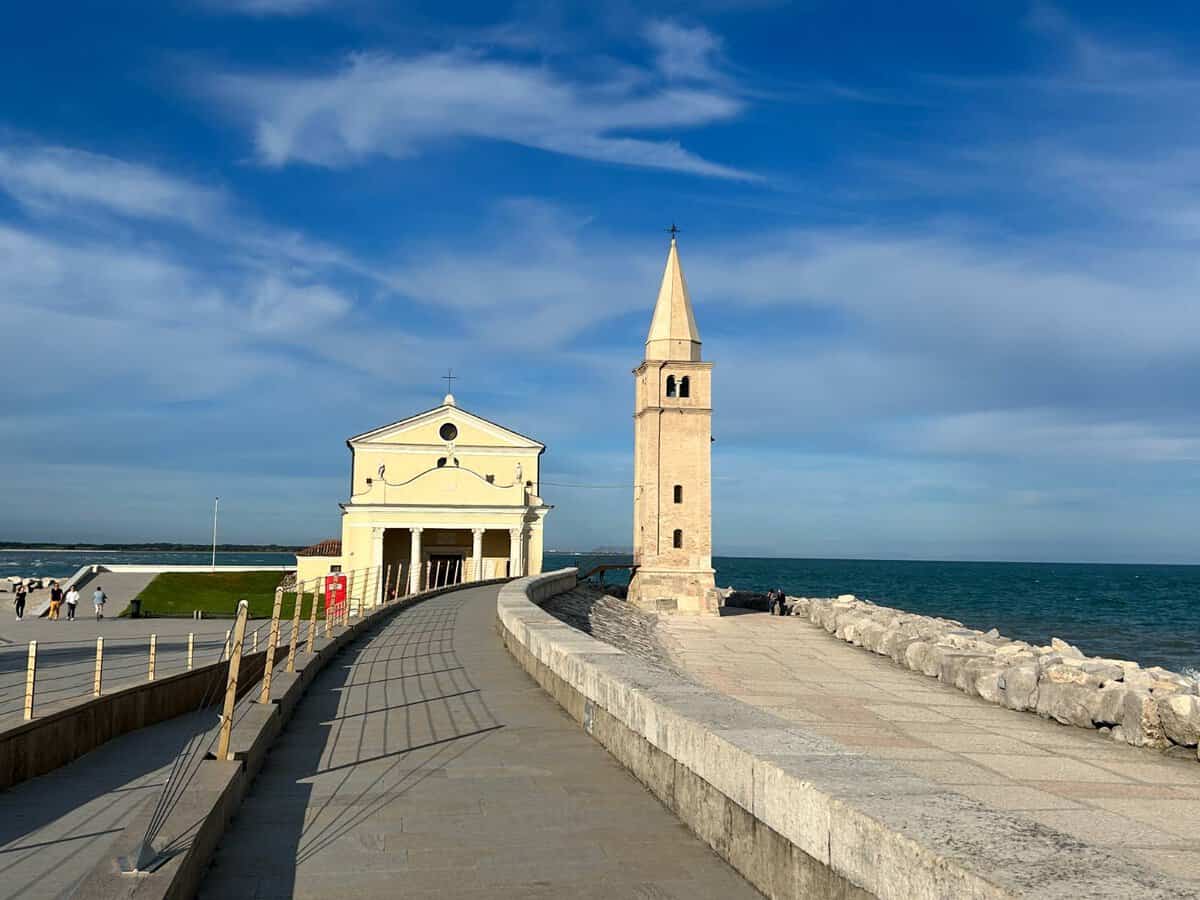
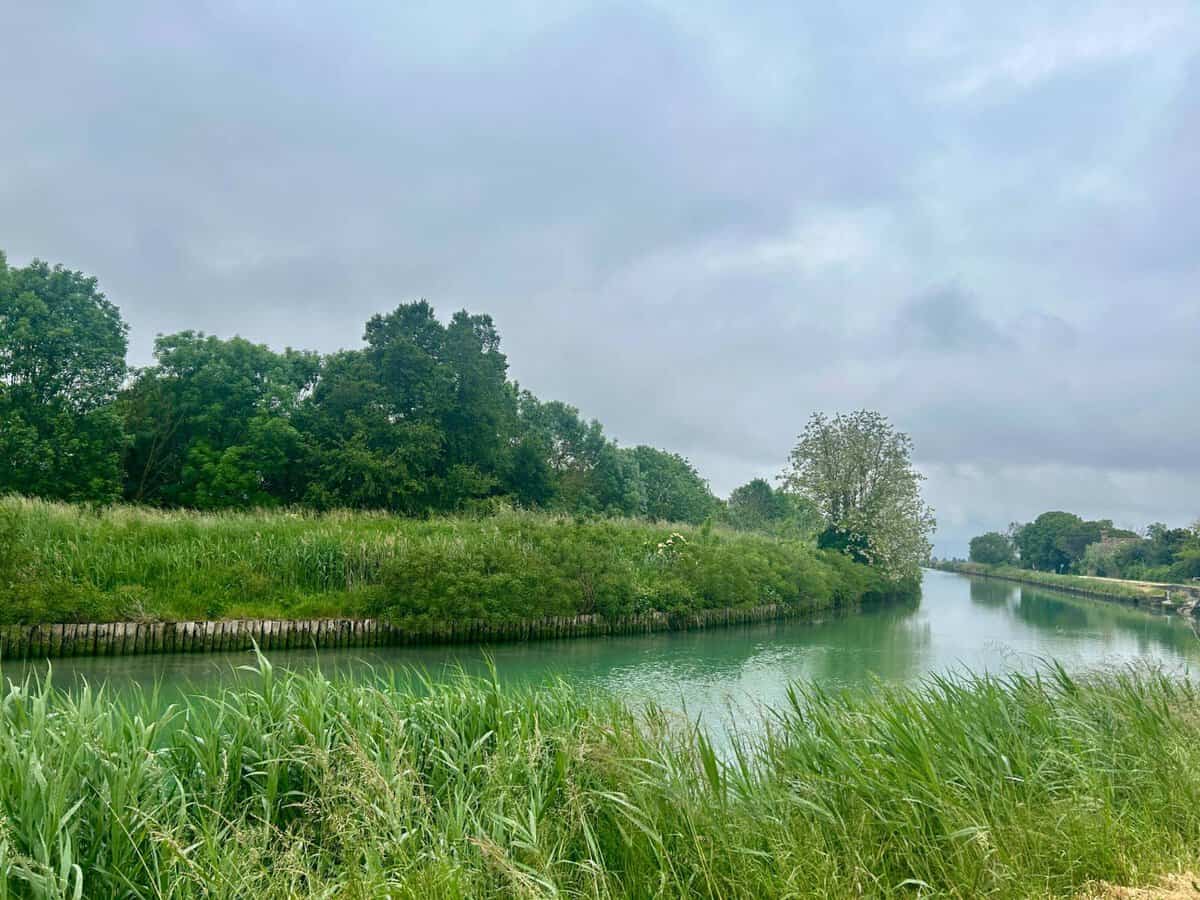
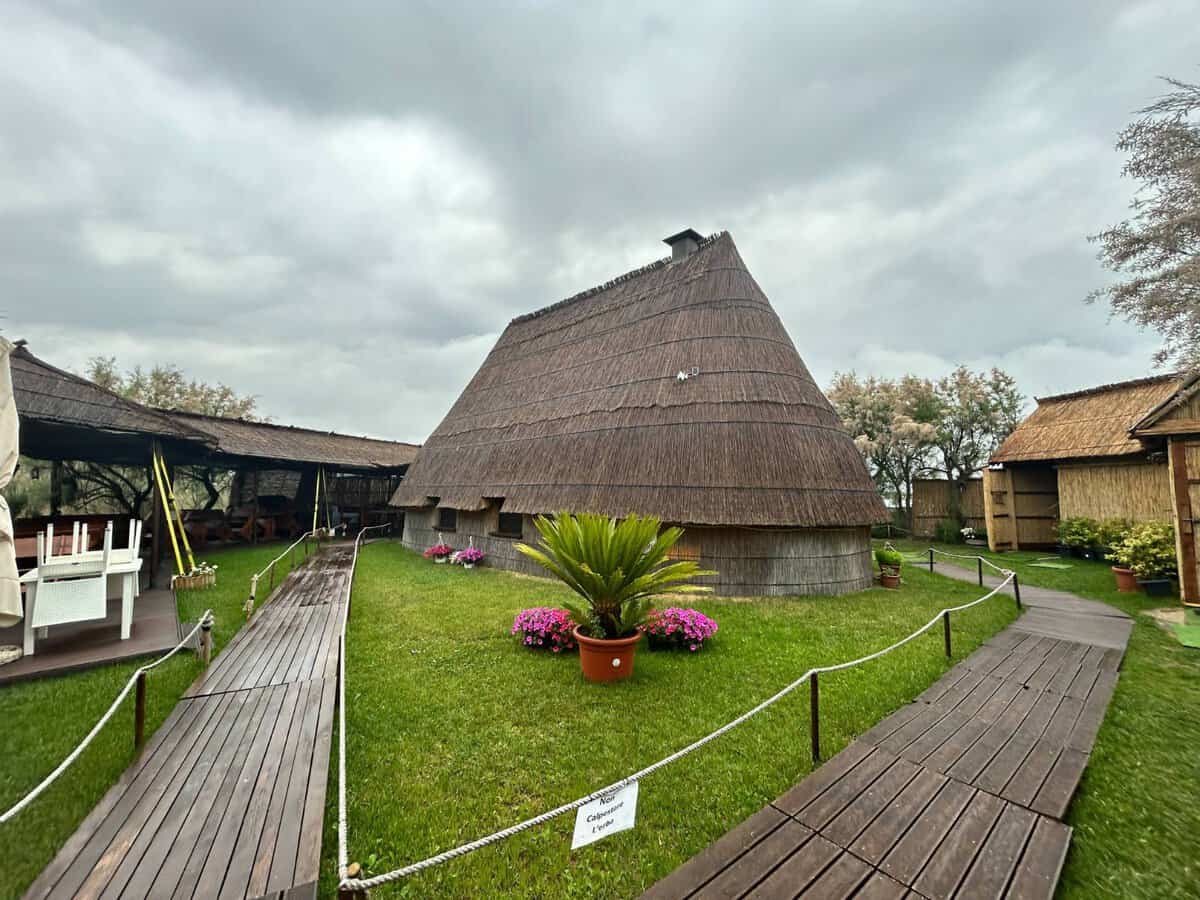
The coastal route culminates at the Falconera lagoon, where the coast becomes a landscape of lagoons, waterways, and fishing settlements. The most distinctive symbol of this part of the coast is the traditional fishermen’s huts, casoni, with reed roofs, which have stood here for generations. Together with fishing boats and extensive wetlands, they create a unique scenery reminiscent of a time when local residents’ lives were closely connected to the lagoon and the sea. For many visitors, Falconera is one of the most authentic places around Caorle.
It is here that the long coastal route connecting Punta Sabbioni with the eastern part of the Venetian coastline comes to an end.
Summary
The individual sections of the coast differ significantly in their landscapes, atmosphere and excursion opportunities. Some routes lead through lively seaside resorts and long promenades, while others pass through lagoons, dunes and protected natural areas. Together they create one of the most diverse coastal areas in the Veneto region and offer numerous opportunities for walking, photography and discovering lesser-known places along the Adriatic coast.
Practical recommendations before the trip
Although most of the described routes lead over flat terrain, longer walks on the beach and open coastline require some preparation. Before setting out, it is worth packing enough water, a head covering, sunscreen, comfortable footwear suitable for sand and short stretches on paved roads, basic supplies for treating minor abrasions or blisters, and a charged mobile phone or power bank.
Best period
The most pleasant conditions for coastal trips are usually during May, early June, and the second half of September. Temperatures are suitable for longer walks and the coast offers plenty of space for comfortable exploration of individual locations.
Dogs on the Venetian coast
Most of the described routes are not intended for walks with dogs. On a significant part of the beaches, restrictions on entry with dogs apply during the season, and movement is possible only in designated sections.
Lagoon
Laguna del Mort is among the most interesting natural areas of the entire route. Easier movement along the paths will be ensured by light closed footwear, which is especially useful around dunes, grassy growth, and natural paths leading along the lagoon. The local ecosystem also includes various reptile species, which are natural inhabitants of this protected area.
Individual sections of the coast
| Section | Approximate length |
|---|---|
| Punta Sabbioni – Faro di Piave Vecchia | 15 km |
| Lido di Jesolo – Cortellazzo | 15 km |
| Eraclea Mare – Laguna del Mort | 5–6 km |
| Eraclea Mare – Duna Verde | 7–8 km |
| Santa Margherita – historic center of Caorle | 4–5 km |
| Caorle (Madonna dell’Angelo) – Falconera Lagoon – Caorle Marina | 5–6 km |