
Grand Hôtel des Bains on Lido di Venezia: A Stellar Comeback in 2030
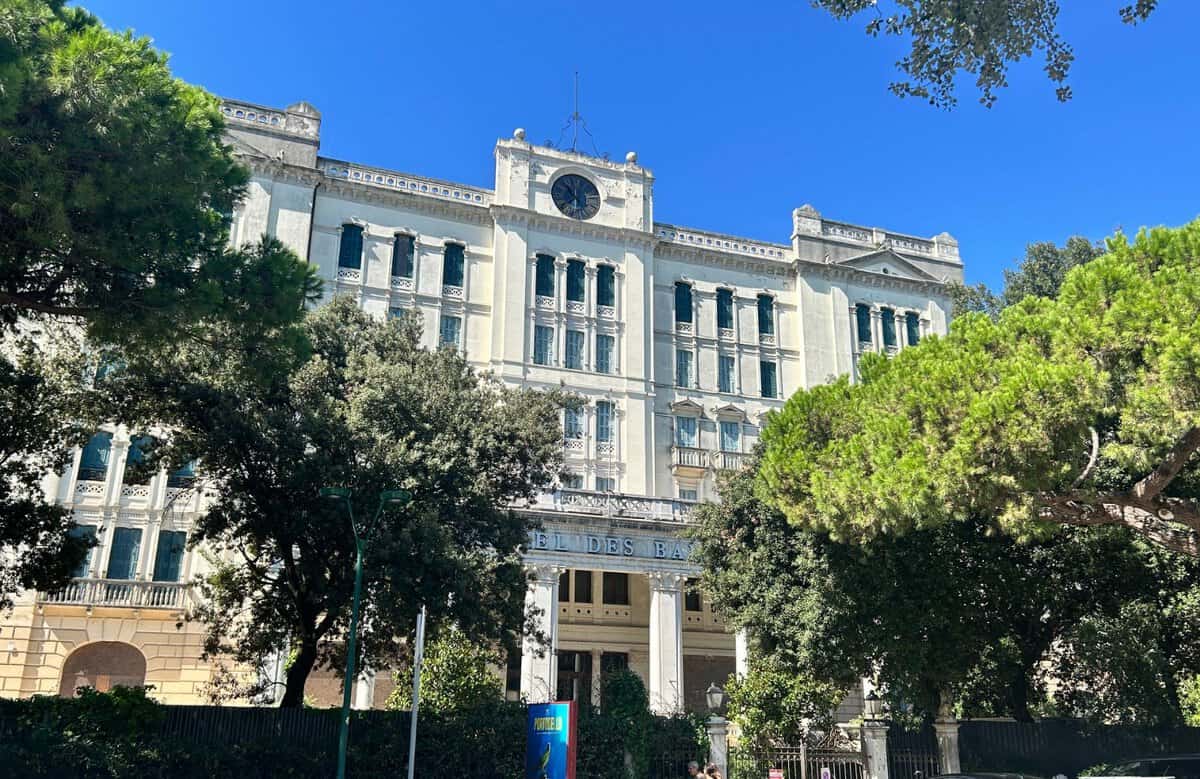
Grand Hôtel des Bains
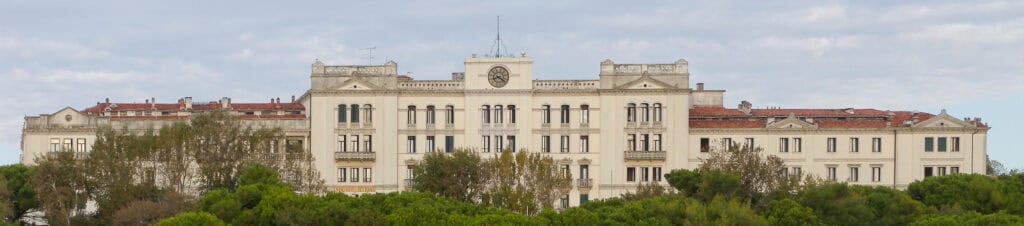
The famous Grand Hôtel des Bains on the Venetian island of Lido di Venezia will reopen its doors to affluent guests from around the world in 2030. The reopening will be preceded by extensive renovations. The first phase of the hotel’s renovation officially began on September 11, 2026. The project’s total value exceeds 200 million euros.
As you stroll through Lido di Venezia, you come across a magnificent old hotel near the beach. It has been in disrepair for many years, yet it still retains its majesty and beauty. Looking at its closed windows and impressive facade, you can easily imagine the stories that might have unfolded here. The reality, however, might be even more intriguing. And now, this hotel is beginning its renovation. Over more than a century, it has made its mark on the history of the Venetian Lido and world cinema. After a long period of decline, it is poised for a new chapter.

The First Luxury Hotel on the Venetian Lido
Grand Hôtel des Bains was officially opened on July 5, 1900. It was designed by brothers Raffaello and Francesco Marsich for the Anonima Commerciale Bagni company. The French name reflected the local tradition of sea bathing while also appealing to the tastes of the Belle Époque era.
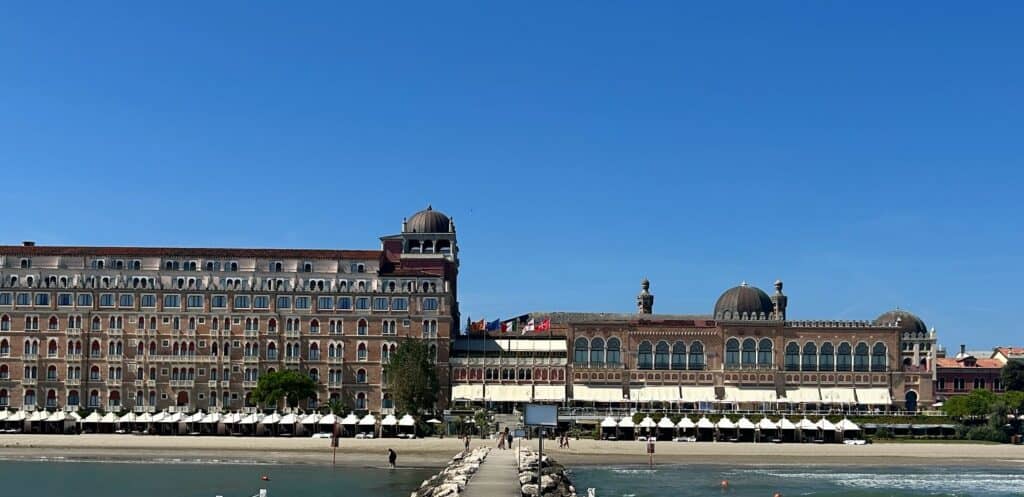
Des Bains was the first major luxury hotel on the Lido. Its later famous neighbor, Hotel Excelsior, opened eight years later. Both hotels helped transform the island into one of the most sought-after seaside resorts in Europe.
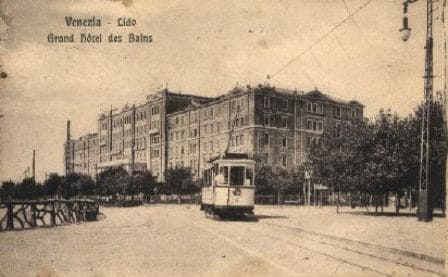
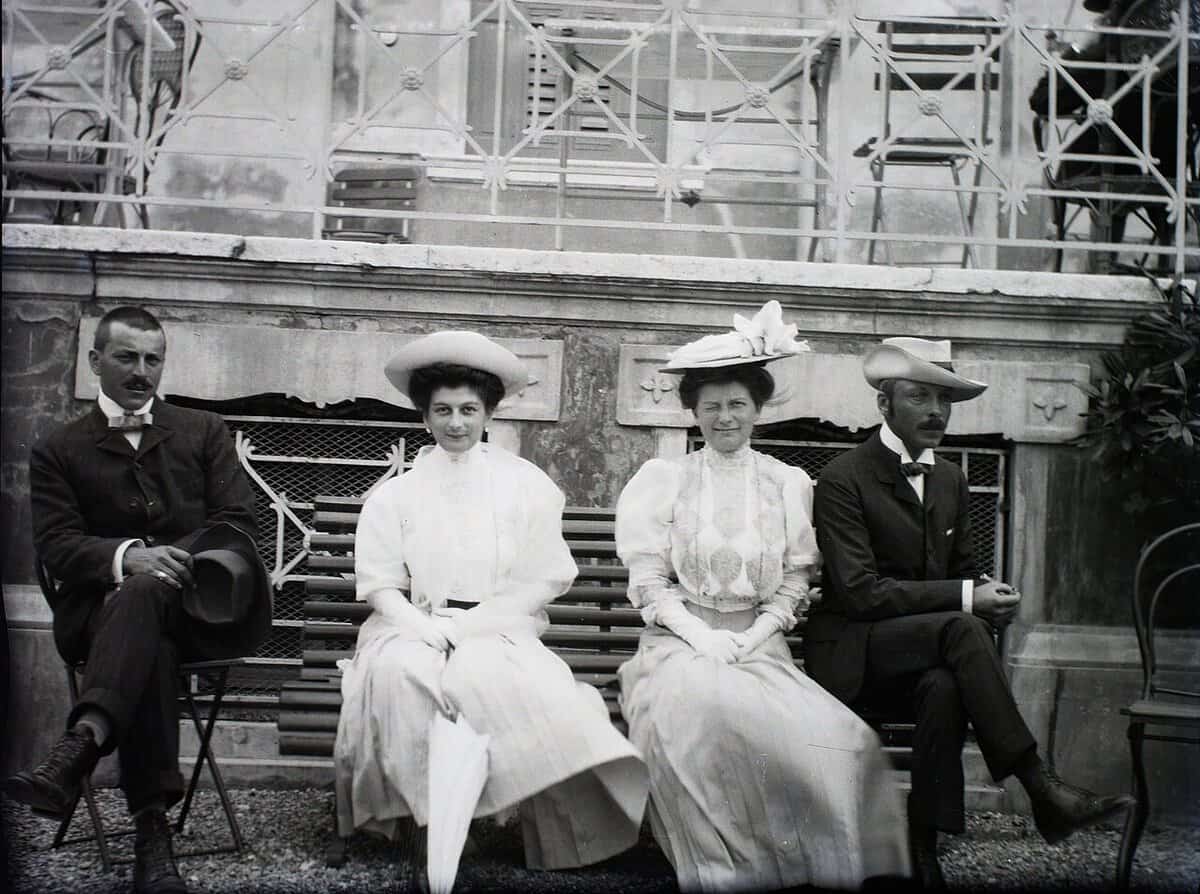
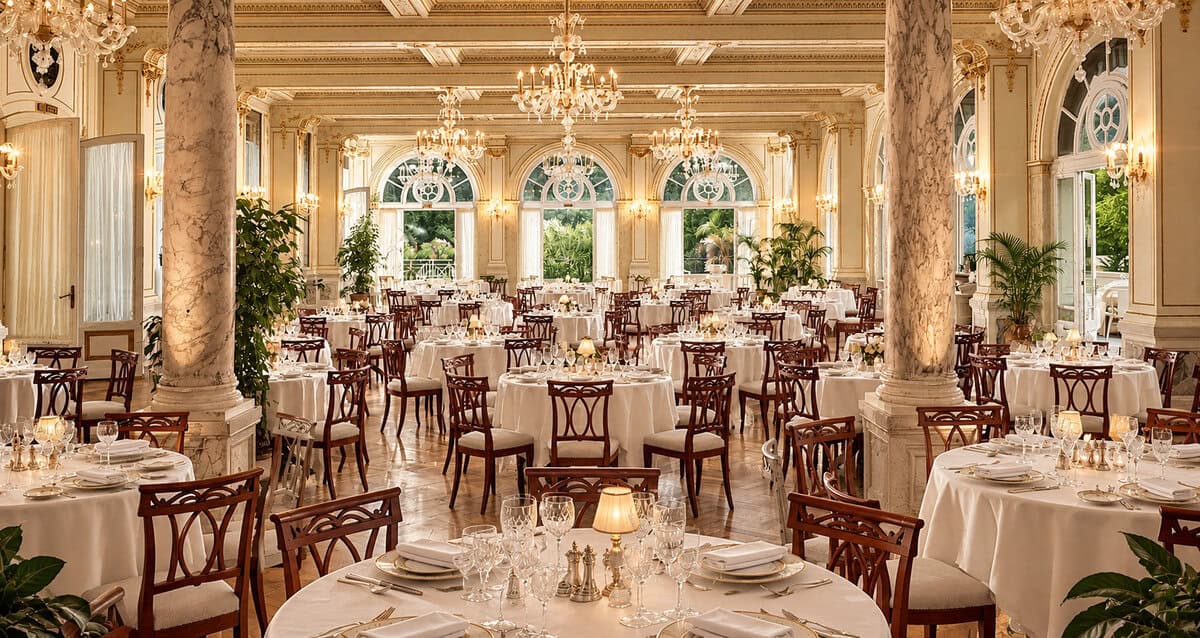
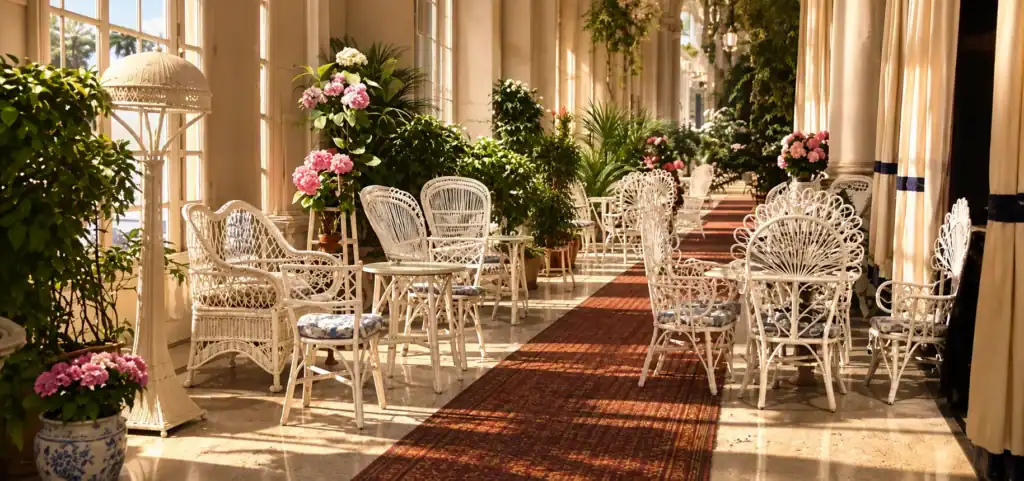
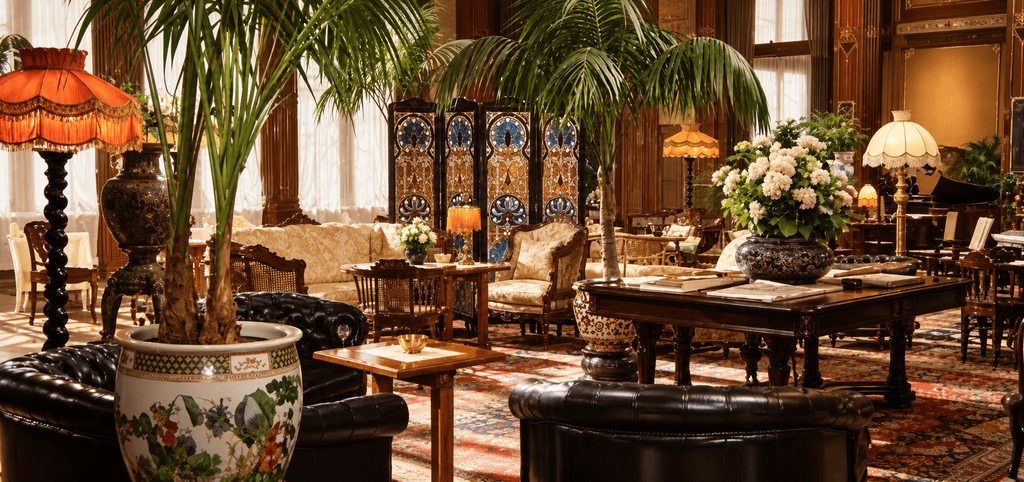
When it opened, the hotel had 50 rooms, but it gradually expanded and offered nearly two hundred rooms before World War I. Guests were welcomed by spacious salons, marble features, wooden furniture, decorative wallpapers, and a central octagonal hall with a Murano glass chandelier. The hotel combined seaside stays with social life, elegant dinners, music, and parties.
Its history was also marked by dramatic events. During World War I, it was closed, and in 1916 it was severely damaged by fire. It reopened in 1919. In 1926, large ornamental clocks were added to the facade, which later became one of the hotel’s distinguishing features.
The True Story That Inspired the Book Death in Venice
In 1911, German writer Thomas Mann stayed at Des Bains with his wife Katia. Among the hotel guests at the time was a Polish family with a teenage boy who fascinated the writer so much that he became one of the inspirations for the character Tadzio in the novella Death in Venice, published in 1912. The boy was later identified as Władysław Moes.
The main character of the story is an aging writer, Gustav von Aschenbach, who comes to Venice for a rest. At the hotel on the Lido, he sees a beautiful Polish boy, Tadzio, and gradually becomes fascinated by him. Despite the cholera spreading in Venice, Aschenbach stays in the city. Mann transferred the setting of the luxury hotel, its international society, and the atmosphere of the Venetian Lido into the story.


Visconti Brought Death in Venice Back to the Real Hotel
Almost sixty years later, the story returned to Des Bains. Italian director Luchino Visconti filmed the movie adaptation of Death in Venice here, released in 1971. Gustav von Aschenbach was portrayed by Dirk Bogarde and Tadzio by Swedish actor Björn Andrésen. The hotel was modified for filming to recreate the atmosphere of 1911. The film features its salons, corridors, terrace, and beach.
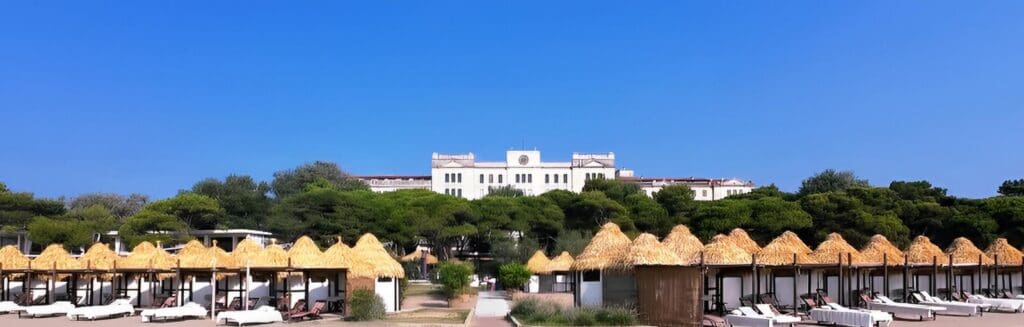
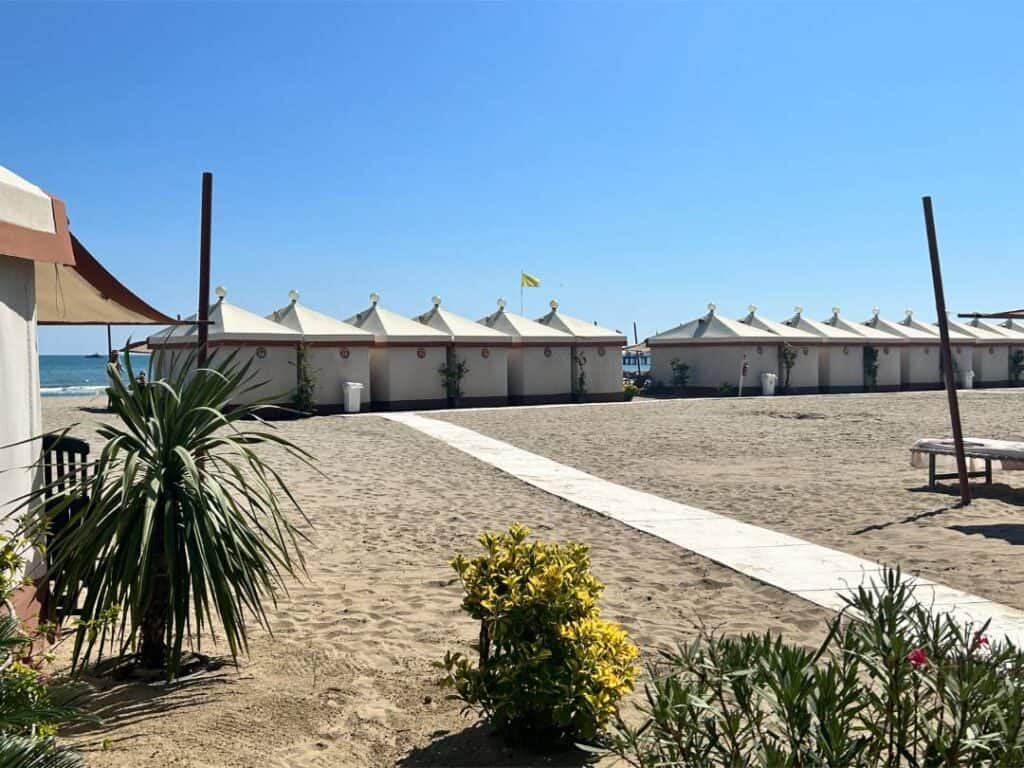
The final scene of the film also takes place on the beach in front of the hotel. It is characterized by capanne, traditional beach cabins with verandas and fabric canopies, which have been a distinctive feature of the Venetian Lido for decades. The elegant Des Bains beach became one of the most famous images of Death in Venice thanks to the film. Unlike Mann’s novella, Visconti changed Aschenbach from a writer to a composer and intertwined his story with the music of Gustav Mahler, especially the famous Adagietto from the Fifth Symphony.
Des Bains as a Cairo Hotel in The English Patient
Des Bains gained another significant film role in the 1996 film The English Patient. Director Anthony Minghella used its historic spaces as the film version of the legendary Shepheard’s Hotel in Cairo. The original Cairo hotel was one of the most famous hotels of its time, but its historic building was destroyed during riots in 1952. Filmmakers needed to find another location with a similar atmosphere.
The interiors of Des Bains, with their high ceilings, marble, wooden furnishings, large carpets, and historical decorations, were able to create the setting of a luxury hotel in Cairo before World War II. The English Patient tells the story of a severely injured man cared for by a Canadian nurse named Hana at the end of the war. Through his memories, a love story set in North Africa is revealed. The film starred Ralph Fiennes, Juliette Binoche, Kristin Scott Thomas, and Willem Dafoe.
The film won nine Oscars, including Best Picture, Best Director, Best Cinematography, and Best Art Direction. The historic spaces of Des Bains thus became part of a film that made its mark on the history of world cinema for the second time.
From Kings and Politicians to Movie Stars
The hotel attracted artists, entrepreneurs, monarchs, and politicians. In 1929, Sergei Diaghilev, the founder of the famous Ballets Russes, spent his last days there. His funeral was subsequently arranged by fashion designer Coco Chanel. Des Bains also hosted Egyptian King Farouk, Persian Shah Reza Pahlavi, and American industrialist Henry Ford.
With the development of the Venice Film Festival, the hotel became increasingly connected with the world of cinema. During the festival days, its spaces were filled with actors, directors, and other personalities from the world of film. Among them were Elizabeth Taylor and Robert De Niro. The salons of Des Bains became places for parties, meetings, and conversations that remained hidden from the public eye. It was in this mix of aristocracy, politics, film, and literature that the hotel’s reputation was forged, which endured even long after its closure.
Des Bains at the Beginning of the New Millennium
Even at the beginning of the new millennium, Grand Hôtel des Bains retained the atmosphere of a classic luxury hotel. The expansive corridors and social spaces were adorned with carved wood, marble, and crystal. The interiors of the restaurants were styled in the French manner of the early 19th century, with Murano glass chandeliers hanging above the tables.
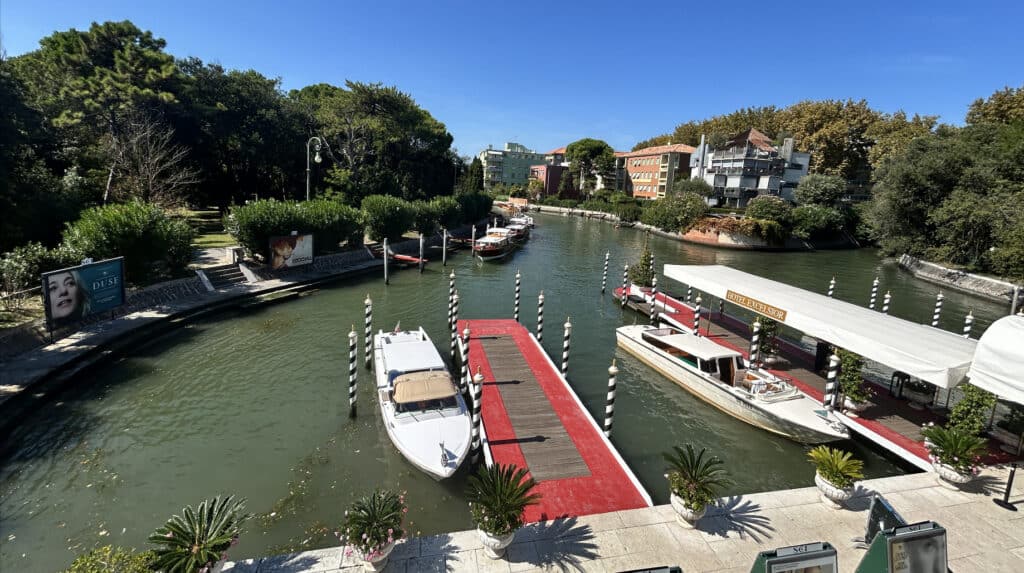
The complex included a private sandy beach with cabins, a garden, and a large outdoor pool. The hotel also provided transportation to the pier at Hotel Excelsior, from where guests could continue by private motorboat to Venice.

Contemporary reviews offer an insight into the hotel’s luxury and pricing at the time. Around 2005, a double room at the Grand Hotel des Bains cost 380 euros per night, with an additional charge for a sea view. A four-course dinner menu cost approximately 85 euros. The wine list offered around a hundred wines, such as Ornellaia 1999 for 157 euros, Solaia 2001 for 163 euros, or Sassicaia 2002 for 352 euros.
British hotel critic Francis Bown documented these details during his stay at Des Bains.
The Hotel Waited Sixteen Years for Its Return
Grand Hôtel des Bains stopped accepting guests in 2010. It was originally supposed to be transformed into a luxury residential complex with 58 apartments, but the project did not materialize. The hotel remained closed, and its condition gradually deteriorated. Behind the fencing, one of the most famous addresses on the Venetian Lido remained for sixteen years. The empty hotel symbolically recalled the atmosphere of decline known from Death in Venice.
Grand Hôtel des Bains Returns
The renovation of the historic hotel began in September 2026, and its reopening is planned for 2030. More than 200 million euros are to be invested in the restoration. Historical architectural elements will be preserved and complemented with modern amenities. The gardens, beach facilities, and Cantiere Lance on the Venetian lagoon side will also be restored.
Des Bains is set to return primarily as a luxury hotel, but the project also includes the possibility of a smaller residential section. The future operator has not yet been announced. Out of the original seventeen applicants, four hotel companies have been shortlisted.
Historic Clocks Show Time Again
The start of the renovation was accompanied by the symbolic return of the ornamental clocks to the hotel’s facade. The clocks, installed in 1926, had been out of operation since 2009. On September 11, 2026, they started running again.
At the beginning of the last century, they evoked mixed reactions among guests. Some found it strange to remind people who came to the sea to relax of the time. Gradually, however, they became a natural part of Des Bains’ appearance. After decades of film stories, sixteen years of closure, and a series of unrealized plans, they now once again measure time. This time, counting down to the planned return of the hotel, which is set to welcome guests again in 2030.
The Island of Lido di Venezia
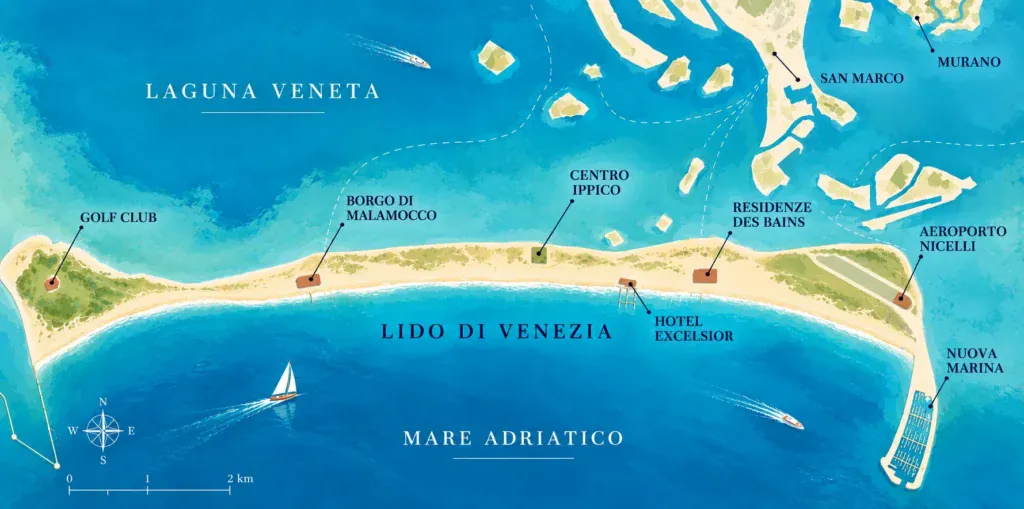
Since the end of the 19th century and especially at the beginning of the 20th century, Lido di Venezia became a fashionable seaside resort for European aristocracy and wealthy international clientele due to the development of sea bathing and spa treatments. It is from this period that its reputation as an elegant resort originates, later enhanced by its social and cultural significance.
Since 1932, Lido has also been home to the Venice Film Festival, the oldest film festival in the world. Its first edition was held on the terrace of the nearby Hotel Excelsior, and the festival continues to bring film stars, directors, and journalists from around the world to the island.
The easiest way to reach Lido from the historic center of Venice is by vaporetto, the city’s water bus, for example from St. Mark’s Square or Santa Lucia Station. You can get around the island on foot, by bus, or by bicycle. You can also arrive by car via ferry from Tronchetto.


In Conclusion
After reopening in 2030, Grand Hôtel des Bains will certainly not be a hotel accessible to everyone. The project targets the luxury market, and a stay at the renewed Des Bains will be a luxurious affair. However, such hotels are part of the diverse offerings of the Veneto region, just like smaller hotels, apartments, campsites, or other more affordable accommodation options.